首頁
» 如何
»
How to Clean a Fish Tank Filter Sponge: The Best Method for Your Filter
How to Clean a Fish Tank Filter Sponge: The Best Method for Your Filter
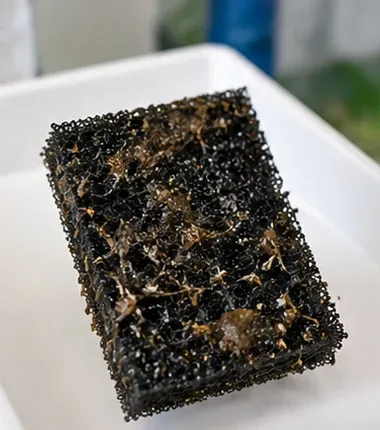
A fish tank filter sponge has two jobs at once: it catches visible debris, and in many filters it also provides surface area for beneficial microorganisms. That creates the central cleaning tradeoff. You want to remove enough waste to restore water flow without treating the sponge like a kitchen scrub pad that must look brand-new.
For most established freshwater aquariums, the safest default is simple: unplug the filter, remove the sponge, gently rinse and squeeze it in water taken from the aquarium, keep it damp, then reinstall it promptly. OASE's current aquarium maintenance guidance specifically recommends rinsing filter media in removed tank water and says the media does not need to be “squeaky clean.” See the OASE aquarium cleaning guide.
Quick comparison: which cleaning method should you use?
Method
Best for
Advantages
Tradeoffs
Rinse and squeeze in removed tank water
Default maintenance for foam that contributes to biological filtration
Gentle, inexpensive, uses water already matched to the aquarium
Less water pressure, so very clogged foam may take several rinses
Rinse in dechlorinated tap water
Foam when the manufacturer explicitly allows it, especially heavily soiled mechanical foam
Convenient and gives you a larger volume of clean water
You must condition the water correctly; manufacturer instructions take priority
Untreated tap-water rinse
Only when the specific filter maker says it is acceptable
Fast and convenient
Not the conservative choice for biologically active media because disinfectants in municipal water can affect microorganisms
Replace the sponge
Torn, permanently compressed, crumbling, misshapen, or persistently clogged foam
Restores structure and flow when cleaning no longer works
Removes established biofilm; replacing multiple biological foams at once can reduce biological filtration temporarily
The important point is that there is no universal “one rinse every X days” rule. Filter design matters. Fluval, for example, says the intake strainer sponge on its AC Series should be rinsed monthly and replaced every two months, while OASE lists a 12–18 month replacement interval for the biological foam used in its BioStyle system. Those are product-specific examples, not schedules to copy to every aquarium. Check the Fluval AC Series FAQ and the OASE BioStyle biological foam guidance.
What you need
A clean bucket reserved for aquarium use
Water removed from the aquarium during a routine water change
A towel for drips
Optional: a very soft, clean brush for robust foam with stubborn surface debris