2027年9月行事曆:15款可列印PNG範本
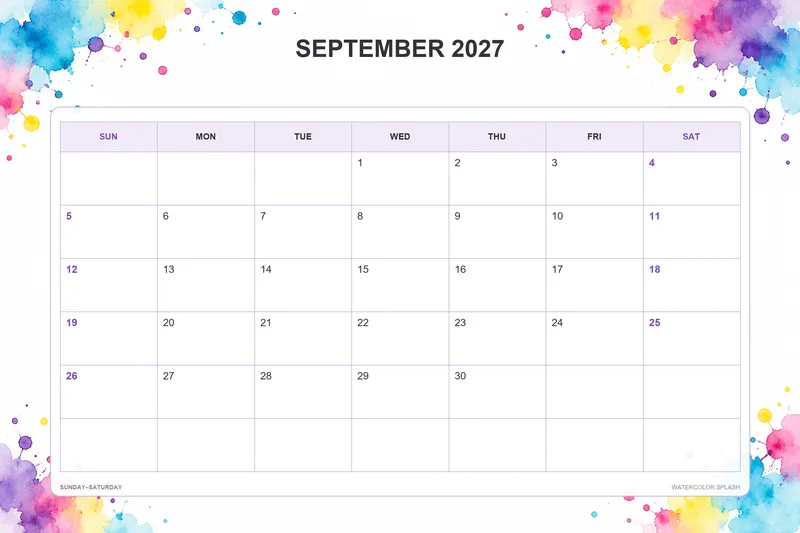
整理15款2027年9月月曆範本,提供橫式與直式PNG圖片。開啟原尺寸預覽,或下載檔案用於列印、數位規劃及日常行程安排。
Time blocking sounds simple: decide in advance what you will work on and reserve a place for it on your calendar. The difficulty starts when real life arrives. A rigid schedule can protect focus, but it can also collapse after one urgent request. A loose schedule leaves room for surprises, but may provide too little protection for demanding work.
The most useful way to think about time blocking is not as one productivity system, but as a family of scheduling strategies. The right choice depends on how predictable your day is, how much uninterrupted concentration your work requires, and how often other people can legitimately interrupt you.
Research does not establish one universally optimal block length or one calendar layout. What it does support are several underlying ideas: interruptions can make task resumption harder, unfinished work can leave attention partly stuck on the previous task, and specifying when and where an action will happen can improve follow-through. That makes time blocking a practical way to apply those principles, not a scientifically guaranteed formula.
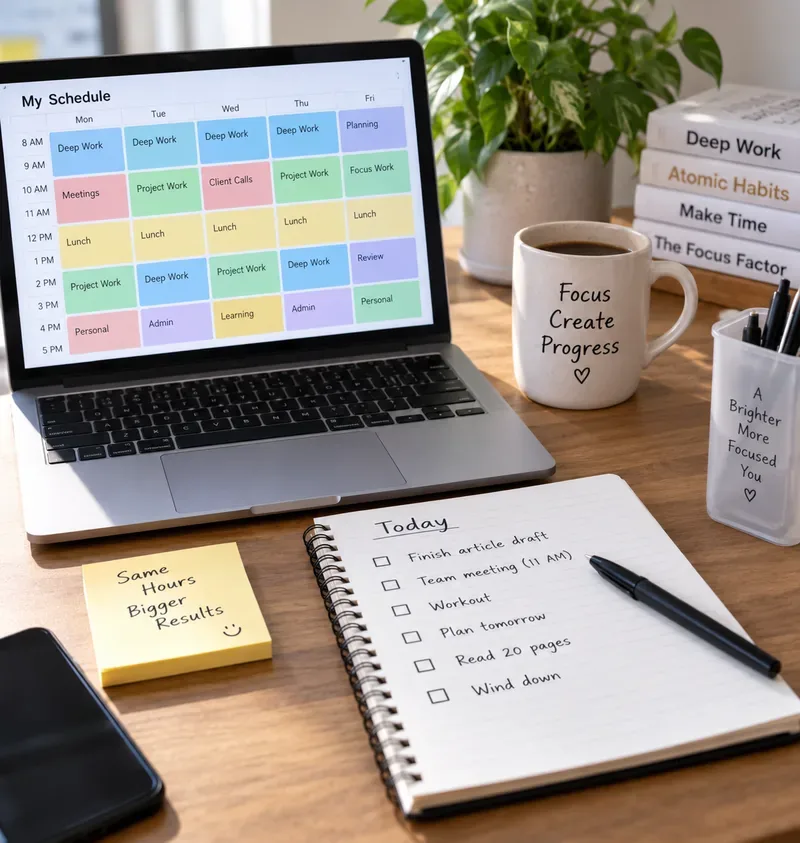
A common mistake is to treat an empty calendar as wasted space. That usually produces a day packed with back-to-back blocks, leaving no room for transition time, overruns, or urgent work. The result looks organized at 8 a.m. and becomes fiction by noon.
The better goal is selective commitment. Reserve your highest-quality attention for the work that benefits most from concentration, then choose a lighter structure for everything else.
This matters because switching has a cognitive cost. Sophie Leroy’s experiments on attention residue found that when people moved from one unfinished task to another, some attention remained on the previous task and performance on the next task suffered. The original study is available through the Organizational Behavior and Human Decision Processes paper on attention residue.
Interruptions can also create a hidden tradeoff between speed and strain. In a University of California, Irvine study, people compensated for interruptions by working faster, but reported higher stress, frustration, time pressure, and effort. See the original UCI study on the cost of interrupted work. Time blocking is therefore most useful when it reduces unnecessary switching without pretending that all interruptions are avoidable.
| Strategy | Best for | Main advantage | Main tradeoff |
|---|---|---|---|
| Fixed calendar blocks | Predictable days and deadline-driven work | Strong protection for planned tasks | Can become brittle when the day changes |
| Anchor blocks plus open space | Knowledge workers with mixed planned and reactive work | Protects a few priorities without over-scheduling | Requires judgment about what deserves protection |
| Task batching | Email, admin, reviews, approvals, calls | Reduces repeated context switching | Delayed response may not suit every role |
| Theme days or half-days | People managing several work categories | Creates long stretches in one context | Hard to use when meetings are externally controlled |
| Rolling or flexible blocks | Unpredictable schedules | Preserves priorities while allowing movement | Needs active rescheduling instead of passive planning |
| Office-hour or reactive windows | Managers, support roles, collaborative teams | Contains interruptions into known periods | Can frustrate others if access expectations are unclear |
In the strictest form of time blocking, every important task gets a specific start and stop time. A morning might contain 8:30–10:00 analysis, 10:15–11:00 email, 11:00–12:00 meetings, and 1:00–2:30 writing.
This works best when tasks are reasonably estimable and interruptions are limited. It also helps when deadlines create a strong need to protect time before a due date.
The downside is estimation error. Creative, analytical, and technical work often expands or contracts unexpectedly. If every block depends on the previous one ending exactly on time, a single overrun can force repeated calendar edits. Use this method when predictability is high, not merely because a detailed calendar looks disciplined.
For many professionals, a better compromise is to protect only one to three non-negotiable blocks and leave the rest of the day more flexible. For example, protect 9:00–10:30 for design work and 2:00–3:00 for analysis, while leaving unstructured space for meetings, communication, and spillover.
This approach gives up some calendar precision in exchange for resilience. It is especially useful for managers, researchers, consultants, and people who need both concentrated work and availability.
The practical rule is to block what truly needs protection rather than what merely needs to get done. Routine tasks can live on a task list or in a batch window.
If your day is fragmented by small tasks, time blocking does not need to mean long “deep work” sessions. It may be more valuable to batch similar work: process email twice a day, review documents in one window, make calls together, and handle approvals at a defined time.
這樣做的好處在於保持上下文的一致性。打開收件匣,回覆一則訊息,返回電子表格,查看聊天記錄,然後再重新開啟電子表格,這種操作會造成重複的切換。大量處理並不會消除溝通,它只是改變了溝通的時間。
然而,在客戶支援、事件回應、營運、醫療保健或任何等待會造成實際風險的職位上,延遲回應可能是不合適的。在這些崗位上,只批量處理那些可以安全等待的工作。
主題日程安排將大類分配給大段時間:星期一上午用於計劃,星期二用於客戶工作,星期三下午用於產品開發,星期五下午用於審核和管理。
當您最大的注意力消耗來自於在不同項目之間切換(這些項目涉及不同的工具、人員或思維模式)時,這種方法非常有用。更大的模組可以減少您需要重新載入上下文的次數。
關鍵在於協調。如果會議日程由客戶、主管或團隊成員掌控,那麼全天主題會議可能不太現實。在這種情況下,可以改用半天主題會議或循環的兩到三小時的會議單元。
滾動式時間安排既能確保按時完成任務,又能靈活調整時間。例如,你可能決定今天必須完成“90分鐘的提案工作”,但如果臨時有緊急會議,則可以將時間從上午9點調整到下午1點半。
這種方法比固定日程安排更靈活,但比僅僅指望以後再抽出時間更可靠。當一天中的任務順序不確定,但優先順序明確時,這種方法尤其有效。
這裡與執行意圖有一個有用的關聯:當計劃明確規定行為發生的條件時,其可操作性就會增強。一項包含94項獨立測試的大型統合分析發現,執行意圖——即明確規定目標導向行為何時、何地以及如何發生的計劃——能夠提高目標的達成率。這篇綜述的原文發表於《實驗社會心理學進展》(Advances in Experimental Social Psychology)。時段與執行意圖並不完全相同,但兩者都以具體的行動情境取代了模糊的意圖。
有些工作之所以有價值,正是因為它們可以被打斷。管理者需要解決各種難題,團隊領導需要做出決策,操作人員需要應對不斷變化的情況。在這些職位上,試圖創造一個不受干擾的工作日可能會與工作本身產生衝突。
更好的設計方案是創建明確的響應式視窗。例如,將上午 11:00 至 12:00 和下午 3:30 至 4:30 這兩個時段開放,用於解答疑問、審批、快速通話和處理升級事宜。同時,在其他時段保留一個較小的專注時段。
這並非認為幹擾無害。 2021 年一項針對實驗室研究的系統性回顧和統合分析發現,旨在降低幹擾成本的干預措施可以提高主要任務的準確性並減少任務恢復延遲,但效果會因幹預類型和任務而異。請參閱《應用人體工學》雜誌上關於幹擾管理幹預措施的原始綜述。實務經驗表明,幹擾管理應與工作相匹配,而不是依賴單一的通用規則。
本文引用的研究並未提供任何證據表明存在一個適用於所有人的最佳工作時間。根據任務複雜程度、疲勞程度、經驗程度和時間安排等因素,45分鐘、60分鐘、90分鐘甚至兩小時都可能是合理的。
根據任務經濟性選擇任務長度:
與其證明你能靜坐幾分鐘,不如衡量產出。如果每個長時間工作時段的最後三分之一效率低下,那就縮短這段時間。
可靠的日程安排需要預留一些空閒時間。會議結束後要留出過渡時間,固定任務之間要留出一些空檔,並且至少要保留一個可靈活調整的時間段,以應對工期延誤或緊急工作。
當任務持續時間不確定時,這一點尤其重要。一份將一天中 70% 到 80% 的時間都用於安排任務的日程表,可能比一份看起來滿滿噹噹的日程表效果更好,因為剩餘的空間可以容納實際工作內容。這個比例只是一個規劃參考值,並非普遍適用的研究支持的目標值;請根據你的工作情況進行調整。
| 如果你的主要問題是… | 首先… | 避免… |
|---|---|---|
| 頻繁切換上下文 | 工作批次 | 檢查每個任務之間的通信 |
| 重要工作被推遲 | 每日錨定區塊 | 等待“空閒時間” |
| 日子毫無預警地改變 | 滾動塊加緩衝器 | 精確到分鐘的計劃 |
| 並行項目太多了 | 主題日或半日 | 每天都參與每個項目 |
| 高度協作要求 | 反應視窗加上一個受保護的聚焦期 | 永久無法聯繫 |
| 任務持續時間估計不準確 | 較短的模組,有複習點 | 計劃一整天都全力以赴 |
時間安排應根據自身日程進行調整。每週結束時,回顧實際發生的情況,而不是你計劃要發生的事情。
如果某個障礙被一再忽略,答案可能並非「要更加自律」。這個障礙可能設定得不恰當、持續時間過長、過於模糊,或與你的工作職責不符。
專注力最大化並非源自於制定最詳盡的日程表,而是源自於減少不必要的切換,同時保持足夠的彈性來應對真正的工作職責。
如果你的工作安排比較固定,可以使用固定時段。如果只有少數任務需要重點保護,可以使用錨定時段。如果切換任務才是主要問題,可以批次處理小任務。對於需要同時負責多個專案的角色,可以使用主題時間段;對於工作內容不穩定的日子,可以使用滾動時間段;如果工作需要隨時待命,可以使用響應式時段。
最有效的系統並非最嚴格的系統。它能讓重要的工作更容易啟動,為需要集中精力完成的任務留出足夠的不受干擾的時間,同時也能讓你的日程表如實反映一天中的不確定因素。
整理15款2027年9月月曆範本,提供橫式與直式PNG圖片。開啟原尺寸預覽,或下載檔案用於列印、數位規劃及日常行程安排。
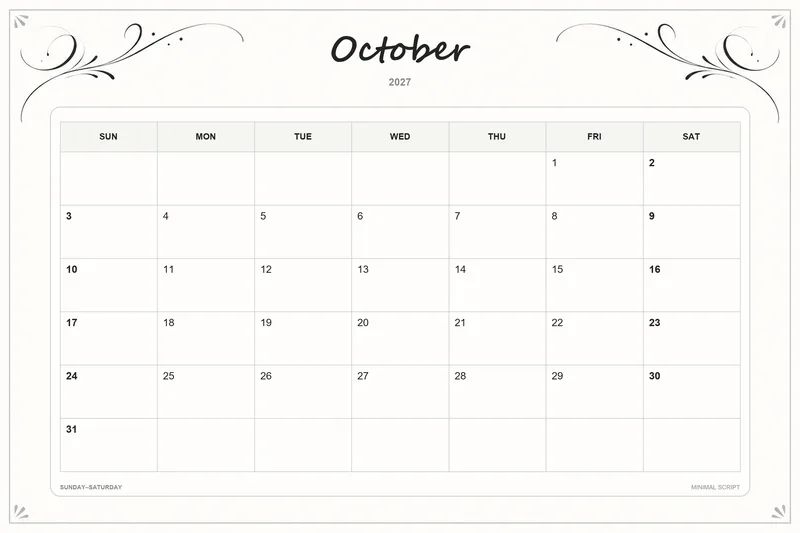
整理15款2027年10月月曆範本,提供橫式與直式PNG圖片。開啟原尺寸預覽,或下載檔案用於列印、數位規劃及日常行程安排。
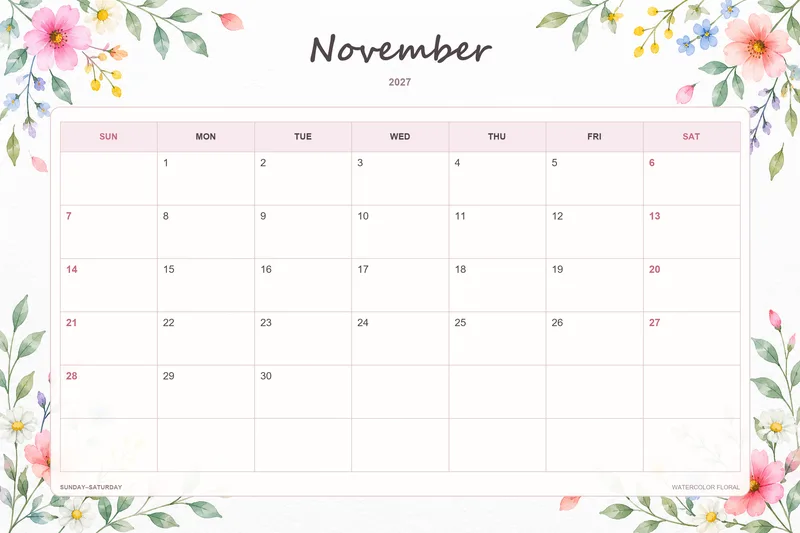
整理15款2027年11月月曆範本,提供橫式與直式PNG圖片。開啟原尺寸預覽,或下載檔案用於列印、數位規劃及日常行程安排。
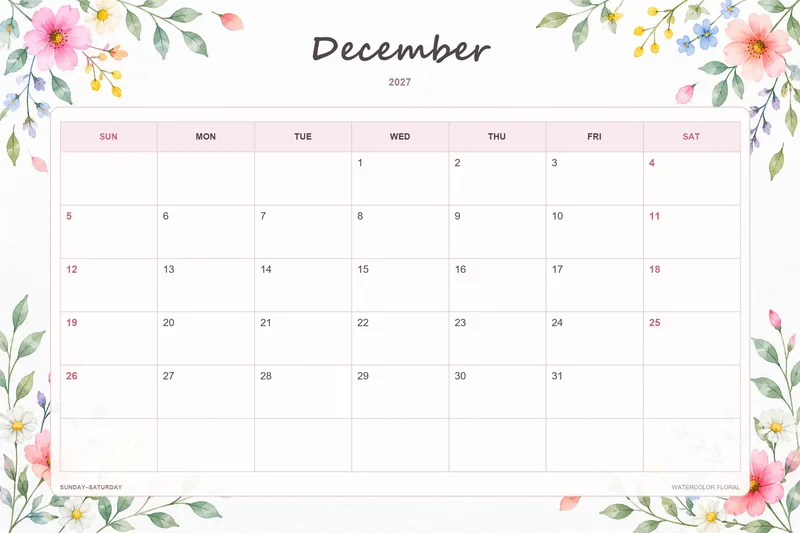
整理15款2027年12月月曆範本,提供橫式與直式PNG圖片。開啟原尺寸預覽,或下載檔案用於列印、數位規劃及日常行程安排。
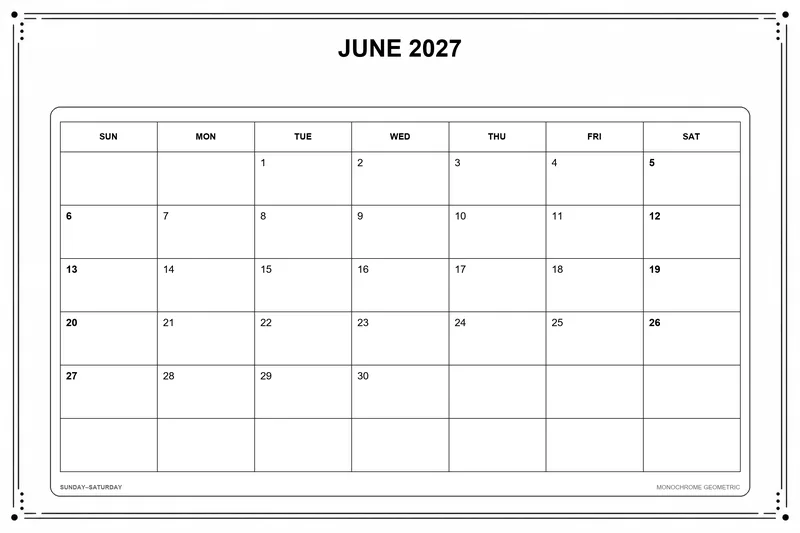
整理15款2027年6月月曆範本,提供橫式與直式PNG圖片。開啟原尺寸預覽,或下載檔案用於列印、數位規劃及日常行程安排。
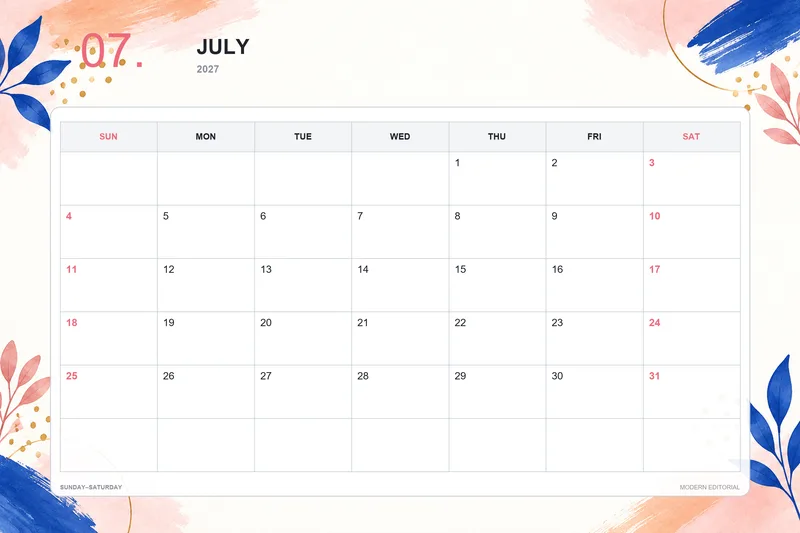
整理15款2027年7月月曆範本,提供橫式與直式PNG圖片。開啟原尺寸預覽,或下載檔案用於列印、數位規劃及日常行程安排。
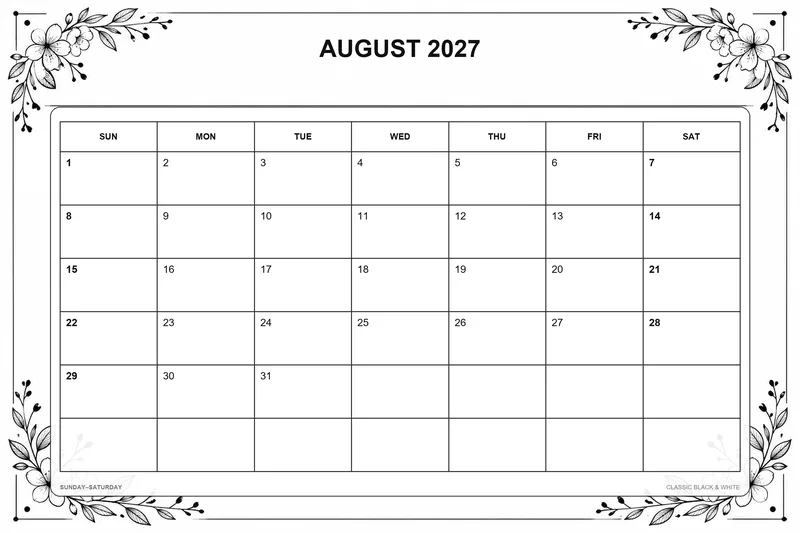
整理15款2027年8月月曆範本,提供橫式與直式PNG圖片。開啟原尺寸預覽,或下載檔案用於列印、數位規劃及日常行程安排。
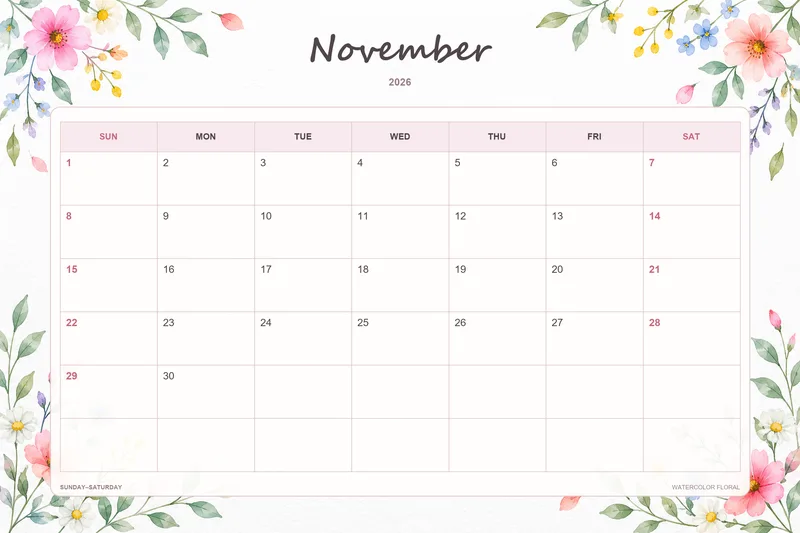
整理15款2026年11月月曆範本,提供橫式與直式PNG圖片。開啟原尺寸預覽,或下載檔案用於列印、數位規劃及日常行程安排。
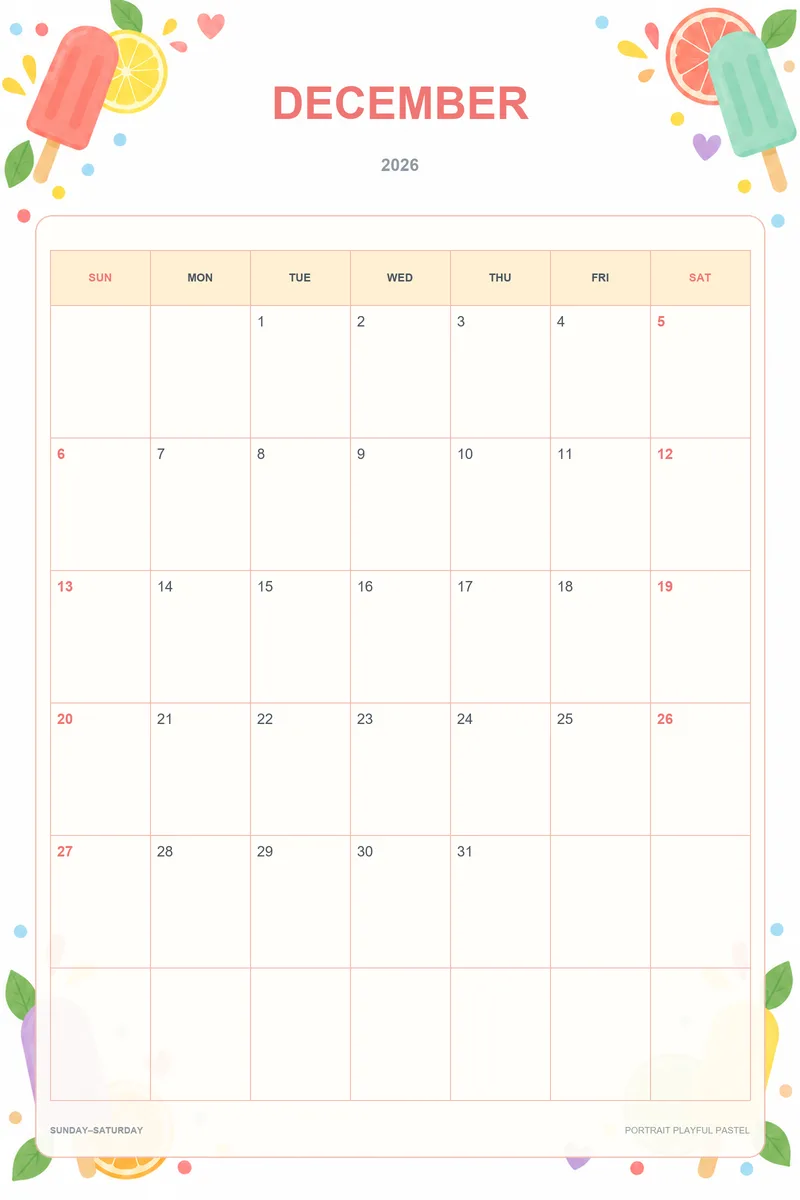
整理15款2026年12月月曆範本,提供橫式與直式PNG圖片。開啟原尺寸預覽,或下載檔案用於列印、數位規劃及日常行程安排。
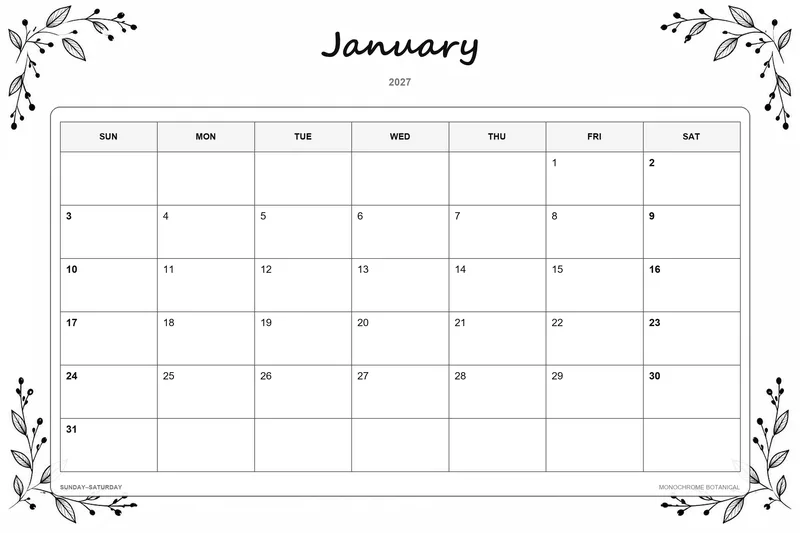
整理15款2027年1月月曆範本,提供橫式與直式PNG圖片。開啟原尺寸預覽,或下載檔案用於列印、數位規劃及日常行程安排。