綠色行銷:購買前如何辨識虛假的環保聲明

透過檢查模糊的說法、回收的措辭、回收成分、碳中和承諾以及環保標誌,來學習如何識別「綠色洗滌」行為。
當氣溫下降時,人們很容易想找到一種能增強免疫力的食物,希望它能抵抗所有感冒或呼吸道感染。但營養並非如此運作。任何柳橙、湯、優格、香料或補充劑都無法讓免疫系統進入無敵狀態。食物的功能在於幫助你持續滿足身體對維持正常免疫功能所需營養的需求。
因此,最有效的冬季策略並非追求單一的超級食物,而是選擇能夠彌補日常生活中最可能出現的營養缺口的食物:例如,蔬果攝取量減少時補充維生素C,日照不足時補充維生素D,蛋白質選擇有限時補充鋅,食慾不振或膳食計劃鬆懈時補充足夠的蛋白質,以及總體上攝取多種營養豐富的食物。美國國立衛生研究院膳食補充劑辦公室指出,充足的多種維生素和礦物質對於維持正常的免疫功能至關重要,臨床上的缺乏會導致免疫力下降。
免疫系統依賴多種細胞、組織、屏障、訊號分子和營養物質。並非某種營養物質越多越好。事實上,過量補充某些營養素可能有害,或會幹擾其他營養素和藥物的吸收。通常來說,以食物為主的選擇是最實際的,因為飲食能夠同時提供蛋白質、纖維、脂肪、維生素、礦物質和其他化合物。
現行的《2025-2030年美國飲食指南》強調攝取營養豐富的天然食物,包括蛋白質、乳製品、蔬菜、水果、健康脂肪和全穀物。在寒冷的月份,這種整體飲食模式比任何單一成分是否被宣傳為增強免疫力的食品都更為重要。
| 如果你的首要任務是… | 強烈的食物選擇 | 它們為何能提供幫助 | 主要權衡 |
|---|---|---|---|
| 維生素C | 紅甜椒、柳橙、奇異果、綠花椰菜、抱子甘藍、草莓 | 維生素C在免疫功能和抗氧化活性方面發揮重要作用。 | 高溫和長時間儲存會降低維生素 C 的含量,所以要選擇一些新鮮或輕度烹飪的食物。 |
| 維生素D | 鮭魚、鱒魚、鮪魚、強化牛奶或強化植物飲料、紫外線照射過的蘑菇 | 維生素D是維持免疫功能所必需的,當日照不足時,食物中的維生素D就顯得特別重要。 | 天然食物中維生素D含量很少;強化食品的含量也參差不齊,所以標籤很重要。 |
| 鋅 | 牡蠣、牛肉、乳製品、蛋、豆類、扁豆、堅果、種子、強化穀物 | 鋅支持免疫功能、DNA和蛋白質合成、傷口癒合和細胞信號傳導。 | 植物性食物中的鋅通常生物利用度較低,因為植酸鹽會降低吸收率。 |
| 維生素A和類胡蘿蔔素 | 地瓜、胡蘿蔔、南瓜、菠菜、羽衣甘藍、雞蛋、乳製品 | 維生素A有助於維持上皮屏障和正常的免疫反應。 | 植物來源提供必須由人體轉化才能吸收的類胡蘿蔔素;動物性食物提供預先形成的維生素A。 |
| 碳粉匣 | 海鮮、雞蛋、肉類、乳製品、全穀類、豆類 | 硒參與抗氧化酶的合成和免疫功能。 | 巴西堅果的硒含量非常高且變化很大,所以並非越多越好。 |
| 蛋白質加整體營養密度 | 魚、家禽、蛋、優格、豆類、扁豆、豆腐、堅果、種子 | 蛋白質提供人體所需的胺基酸,而這些食物也可根據選擇提供鋅、硒、鐵、B群維生素或維生素D。 | 加工肉類會增加大量的鈉和飽和脂肪;植物蛋白可能需要更多樣化的食用方式和更周密的計劃。 |
如果你想攝取大量維生素C,又不想增加太多體積,紅甜椒絕對是最佳選擇之一。美國國立衛生研究院(NIH)的維生素C資料顯示,半杯生紅甜椒含有約95毫克維生素C,而一個中等大小的柳橙則含有約70毫克。奇異果、綠花椰菜、草莓和抱子甘藍也是不錯的選擇。
關鍵在於烹飪準備。柑橘類水果和奇異果是方便的生食零食,而甜椒則適合做沙拉、三明治或快炒菜。西蘭花和抱子甘藍很容易加入熱菜中,但維生素C是水溶性的,對熱敏感。美國國立衛生研究院指出,與長時間烹飪相比,蒸煮或微波爐加熱可以減少營養損失。但這並不意味著熟蔬菜就不好;這只是建議我們選擇多樣化的蔬菜,而不是每天都依賴一種深度烹飪的食物。
需要方便攜帶的點心時,可以選擇柑橘類水果或奇異果;想要富含維生素 C 的食物時,可以選擇紅甜椒;想要溫暖的蔬菜,同時又能提供纖維和其他營養素時,可以選擇西蘭花或抱子甘藍。
在寒冷的月份,維生素D尤其值得關注,因為日照減少會導致維生素D水平下降,尤其對於戶外活動時間少或居住在高緯度地區的人更是如此。美國國立衛生研究院(NIH)的維生素D概況介紹指出,只有少數食物天然含有豐富的維生素D。富含脂肪的魚類,例如鮭魚、鱒魚、鮪魚和鯖魚,是最佳的天然來源之一。
如果您也想攝取蛋白質和omega-3脂肪酸,那麼富含脂肪的魚類是一個不錯的選擇,但它可能價格更高、食用起來不太方便,或者不適合素食者。強化牛奶、許多強化植物飲料和一些強化穀物更容易日常食用。缺點是不同產品的強化程度不同,因此營養成分標示比假設所有牛奶替代品都含有維生素D更有用。紫外線照射的蘑菇可以提供維生素D2,對植物性飲食有益,但它們的維生素D含量也各不相同。
如果您已知患有維生素D缺乏症、影響吸收的疾病或日照時間極少,單靠食物可能無法滿足需求。因此,您應該諮詢醫療專業人士,討論是否需要進行檢測或補充維生素D,而不是盲目服用高劑量。
鋅常與感冒藥連結在一起,但從食物角度來看,更值得關注的問題是:你的日常飲食能否穩定地提供足夠的鋅?根據美國國立衛生研究院(NIH)的鋅營養概況介紹,牡蠣每份所含的鋅遠高於其他常見食物。牛肉、其他海鮮、雞蛋和乳製品也富含鋅。
對大多數人來說,牡蠣並非日常飲食的理想選擇。瘦牛肉、優格、雞蛋或肉類與豆類混合的膳食更容易堅持食用。豆類、堅果、種子和全穀物也能提供鋅,尤其對植物性飲食者更有益。但缺點是吸收率較低:植物性食物中的植酸鹽會與腸道中的部分鋅結合,因此其生物利用度低於許多動物性食物。
如果你吃動物性食物,你應該輪流食用海鮮、瘦肉、乳製品和雞蛋,而不是把牡蠣當作必需的「免疫食物」。如果你主要吃植物性食物,應該在一週內食用更多種類的豆類、扁豆、豆腐、堅果、種子和強化食品,而不是依賴單一的鋅來源。
發酵食品在冬季備受歡迎,因為它們可以用於早餐、湯品、配菜和零食。但「發酵」和「益生菌」並非可以互換的概念。美國國立衛生研究院(NIH)的益生菌資料指出,優格可能含有有益微生物,而許多發酵食品不一定含有已證實具有益生菌功效的微生物。此外,有些產品在發酵後還會經過熱處理,因此活性菌叢可能已經消失。
如果你的目標是攝取蛋白質、鈣質,以及可能含有活性菌的簡單食物,那麼原味優格是個不錯的選擇。對於喜歡飲用型食物的人來說,克菲爾也能起到類似的作用。泡菜和酸菜可以增添蔬菜和風味,但鈉含量可能較高。更重要的是,發酵食品並非增強免疫力的必需品,而是可以作為均衡飲食的有益組成部分,而益生菌的具體功效則取決於特定的菌種和產品。
在某些地區,冬季蔬果價格可能較高,或吸引力不大。但這並不意味著你必須等到春天才能吃到蔬果。新鮮的、冷凍的、罐裝的和乾燥的蔬果都能滿足營養豐富的飲食需求。實際操作起來,哪種更合適取決於你的烹飪方式以及你家中常備的食材。
不要讓「只吃新鮮蔬果」這種理想化的原則限制了你冬季飲食的多樣性。一袋冷凍的西蘭花,只要你真的會烹調食用,就比那些在冰箱裡反覆腐爛的新鮮蔬果更有用。
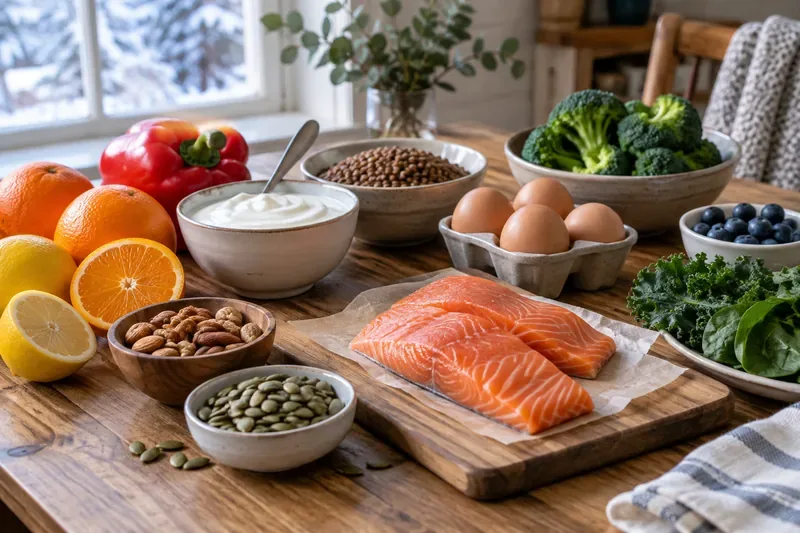
你不需要高級營養粉、稀有莓果或昂貴的保健飲品。一份價格較低的冬季食品籃就能滿足相同的營養需求,其中包括柳橙、高麗菜、胡蘿蔔、冷凍西蘭花、雞蛋、扁豆、豆類、燕麥、罐裝鮭魚或鮪魚、原味優格、花生醬以及強化牛奶或植物飲料。
例如,扁豆湯配胡蘿蔔和綠葉蔬菜可以提供植物性蛋白質、鐵、鋅和類胡蘿蔔素。搭配柑橘類水果或紅甜椒,可以補充維生素C,維生素C也能促進人體對植物性食物中非血紅素鐵的吸收。另一個簡單易做的選擇是用強化飲料煮燕麥粥,再配上優格、水果和種子。
巴西堅果常被宣傳為補充硒的捷徑。它們的確硒含量極高,但這正好說明了高硒也會帶來負面影響。美國國立衛生研究院(NIH)的硒概況介紹指出,植物性食物中的硒含量會隨土壤而變化,而巴西堅果的硒含量可能非常高。因此,每天吃一大把巴西堅果並非「多多益善」的明智之舉。
海鮮、雞蛋、肉類、乳製品、穀物和豆類都可以作為日常飲食的一部分提供硒。這通常比將一種高濃度硒食物作為每日補充劑的替代品更為均衡。
大多數餐點可以包含一種蛋白質食物、一到兩種蔬菜或水果、一種全穀類或澱粉類植物,以及一種健康脂肪來源。冬季常備一些幾乎無需計劃的食物:雞蛋、冷凍蔬菜、柑橘類水果、罐裝豆類、原味優格、罐裝魚、燕麥以及堅果或種子。
優先選擇豆類、扁豆、豆腐、豆豉、堅果、種子、全穀物、深綠色葉蔬菜、橙色蔬菜以及添加了維生素D的植物性飲品。食用前請仔細查看食品標籤,不要想當然地認為食品已經添加了維生素D。鋅尤其需要注意,因為植物性鋅的吸收率較低,而且維生素D很難從未添加維生素D的食物中獲取。
與其吃一大碗沙拉或蔬菜,不如選擇營養豐富的組合。優格配水果和種子、雞蛋配菠菜和全麥吐司、鮭魚配馬鈴薯和西蘭花,或一碗濃稠的扁豆湯,都能在適量的餐點中提供多種有益的營養。
冷凍蔬菜、罐裝豆類、罐裝魚、預洗蔬菜、原味優格杯、新鮮水果和強化即食穀物都能減少飲食中的摩擦。最好的冬季食物往往是那些可以長期堅持食用,而無需依賴外帶或錯過正餐的食物。
是的,尤其對於強化食品而言。美國食品藥物管理局(FDA)的每日營養素參考值指南解釋說,每份食物中某種營養素的含量低於每日參考值的5%被認為是低,高於20%則被認為是高。因此,在比較強化穀物、乳製品、植物飲料和其他包裝食品中的維生素D、鋅、鐵或其他營養素含量時,標示就顯得格外重要。
對於可能不會列出所有維生素的新鮮農產品來說,標籤的參考價值就較低了。在這種情況下,與其費盡心思計算每一毫克的含量,不如選擇多種不同的產品。
如果你想在寒冷的月份裡保持正常的免疫功能,那麼你應該注重營養均衡而非盲目追求。大部分時間都應該攝取富含維生素C的蔬果,可靠的維生素D來源,富含鋅和硒的多種蛋白質食物,提供維生素A前體的色彩鮮豔的蔬菜,以及足夠的食物總量來滿足你的能量和蛋白質需求。
沒有一種食物適合所有人。對於愛吃魚且需要補充維生素D的人來說,鮭魚可能是最均衡的選擇;對於素食主義者來說,強化植物奶和紫外線照射過的蘑菇可能更有益;對於預算有限的人來說,扁豆、冷凍西蘭花、雞蛋和柑橘類水果可能是性價比最高的選擇;而對於需要一份無需烹飪的早餐的人來說,酸奶和水果種子最適合的水果種子。
最重要的是,不要用食物或補充劑來取代醫療保健、疫苗接種、睡眠或其他已被證實有效的健康措施。營養是免疫健康的一部分。多樣化、營養豐富的飲食可以為免疫系統提供所需的原料,但這並不能保證您不會受到感染。
透過檢查模糊的說法、回收的措辭、回收成分、碳中和承諾以及環保標誌,來學習如何識別「綠色洗滌」行為。
透過實際的措施來減少您的數位碳足跡,例如延長設備使用壽命、減少閒置能耗、合理控制串流媒體和人工智慧的使用規模以及負責任地進行回收。
比較六家在 2026 年採取可衡量的氣候行動的公司,從清潔能源和供應鏈到碳清除和低排放航運。
2026年,快時尚依然廉價、快捷,但同時也造成大量浪費——不過,歐盟的新規正在改變市場格局。以下是消費者應該了解的內容。
從空間、氣味、維護、投入和最終結果等方面比較公寓堆肥方案——路邊收集、蚯蚓堆肥箱、博卡西堆肥和食物脫水機。
了解 2026 年哪些家庭再生能源方案適合不同的家庭,從屋頂太陽能和電池到社區太陽能、熱泵和 V2H。
了解 2026 年的 ESG 投資:發生了哪些變化,永續基金如何運作,如何比較持股和費用,以及一份實用的入門清單。
根據時間、工具、空間和實用性選擇一個適合週末的舊物改造專案。在開始之前,請先比較六個實用方案、關鍵權衡因素和安全檢查事項。
了解循環經濟對消費者的意義,包括維修、再利用、翻新商品、租賃、補充裝和回收之間的實際權衡。
從今天開始養成切實可行的環保習慣,無需徹底改變你的生活方式,即可減少食物浪費、能源消耗、水資源消耗、駕車出行和一次性用品的使用。