2026-10-19 當週台灣音樂排行榜:Billboard 熱門歌曲與名次變化

掌握2026年10月19日當週台灣歌曲榜況:李佳薇守住冠軍、SOYEON退至第5,PLAVE新曲首次進榜,並附上榜期與統計方法。
你打開銀行帳單,發現自己竟然訂閱了六項串流服務,但大多數晚上你打開的仍然是那一兩個應用程式。這就是2026年串流媒體大戰背後的實際問題:問題不再是找不到足夠的內容可看,而是如何決定哪些訂閱服務應該長期保留在你的預算中,哪些應該輪換使用、捆綁銷售、降級或取消。
簡而言之,大多數家庭並不需要全年使用所有主流服務。像 Netflix 這樣內容豐富的串流服務可以作為一項常駐訂閱服務,而 Disney+ 和 Hulu 的捆綁套餐則更具吸引力。 HBO Max 在優質劇集、華納兄弟電影和部分體育賽事方面仍然表現出色。 Peacock、Paramount+ 和 Apple TV 的體育賽事或原創內容與你的實際觀看需求相符時,更容易讓人覺得物有所值。如果你已經付費訂閱了 Amazon Prime 以獲得其他權益,那麼 Prime Video 就更值得考慮了。
價格核實:以下美國價格和套餐詳情已於 2026 年 9 月 14 日核實。串流媒體價格、促銷活動、體育賽事版權、套餐和包含的功能可能會發生變化,因此請在訂閱前向服務提供者查詢。
訂閱費用不斷攀升是主要原因。單項服務8.99美元或12.99美元看似便宜,但疊加五六項服務很快就會讓你的娛樂賬單飆升至有線電視的水平。更糟的是,有些家庭明明很少使用下載、4K影片、額外同時播放裝置或其他方案專屬權益,卻仍付費購買高級無廣告方案。
另一個原因是內容碎片化。一個家庭如果想看Netflix原創劇集、迪士尼系列電影、HBO劇集、足球直播、NFL比賽、F1方程式賽車以及當季熱門劇,可能確實需要在一年中的不同時間訂閱多種服務。明智的做法並非一定要選擇一家服務商,而是將長期訂閱和季節性訂閱分開。
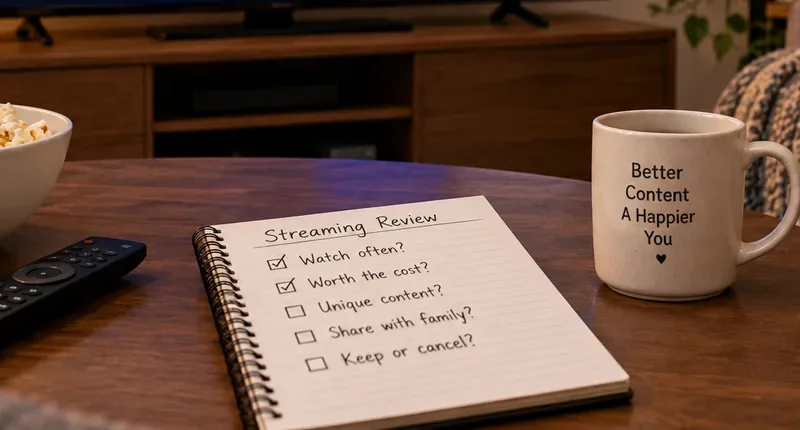
在比較不同品牌之前,請先問自己三個問題。第一,過去兩週內家裡有人看過這項服務嗎?第二,它提供的內容是否難以在其他地方找到替代品?第三,如果您尚未訂閱,今天是否會以當前價格註冊?
如果三個問題的答案都是肯定的,那麼這項服務值得保留。如果只有一個問題的答案是肯定的,那麼它通常更適合輪換使用,而不是全年付費。這個簡單的測試比僅僅根據平台的目錄規模來評判它更有用,因為如果你的家人都不打開應用,那麼即使擁有龐大的庫也毫無價值。
| 服務 | 目前美國價格於2026年9月14日核實。 | 保留它的最佳理由 | 何時取消或輪換 |
|---|---|---|---|
| Netflix | 含廣告版 8.99 美元;標準版 19.99 美元;高級版 26.99 美元 | 對於想要經常觀看新劇集、電影、紀錄片、國際影片和兒童內容的家庭來說,這是最廣泛的全能選擇。 | 如果你主要是為了追看一檔回歸劇集,或者很少在新劇播出窗口期之外觀看,那麼你可能需要保留電視帳戶。 |
| Disney+ 和 Hulu 套餐 | 每月常規價格 12.99 美元(含廣告);19.99 美元高級套餐,可在 Disney+ 和 Hulu 上觀看無廣告內容(部分內容除外)。 | 對於家庭用戶來說,它物超所值,因為它融合了迪士尼、皮克斯、漫威、星球大戰、家庭觀看、Hulu原創劇集、FX以及最新電視節目。 | 如果您的家庭很少使用家庭/系列節目內容或 Hulu 更廣泛的電視節目庫 |
| HBO Max | 基本版(含廣告)10.99美元;標準版18.49美元;高級版22.99美元 | HBO 的優質節目、華納兄弟的片庫、電影、DC 漫畫、Adult Swim 頻道以及部分體育賽事直播。 | 如果你一次只追一部旗艦劇集,並且不需要在劇集更新間隙觀看電影, |
| 孔雀 | 精選版 8.99 美元;高級版 12.99 美元;高級加強版 19.99 美元 | NBC/Bravo 的節目,以及體育、電影和 Peacock 原創內容,僅限高級會員觀看。 | 如果你只需要它來觀看某個特定的運動賽季或NBC/Bravo電視台的幾檔節目的話。 |
| 派拉蒙+ | 基本款 8.99 美元;高級款 13.99 美元 | CBS節目、Paramount+原創內容、歐洲冠軍聯賽、CBS NFL賽事、UFC以及更多體育賽事;高級版還增加了本地CBS頻道和SHOWTIME的全部內容。 | 如果你的體育興趣轉移到其他體育項目,或者你只是偶爾觀看CBS/SHOWTIME的節目。 |
| Apple TV | 每月 14.99 美元 | 無廣告 Apple Originals 原創內容,外加一級方程式賽車、美國職業足球大聯盟 (MLS) 和周五晚間棒球賽,無需額外訂閱費用 | 如果你對 Apple 原創內容或體育賽事關注度不高,不足以讓你覺得永久訂閱是值得的,那麼你可能需要訂閱 Apple 才能繼續使用 Apple 服務。 |
| Prime Video | 包含在亞馬遜Prime會員服務中;Prime Video點播內容包含少量廣告,除非您額外付費升級到符合條件的廣告減少服務。 | 如果您已經因為亞馬遜Prime會員的配送和其他會員權益而受益,那麼保留Prime會員資格就很容易了。 | 如果您加入 Prime 會員主要是為了觀看視頻,而並非為了其他目的而付費享受更廣泛的 Prime 會員資格。 |
對於希望透過一項服務觀看多種類型內容而非局限於單一類型的家庭用戶來說,Netflix 仍然是最簡單的選擇。目前,Netflix 在美國的套餐價格分別為:標準版(含廣告)每月 8.99 美元,標準版(無廣告)每月 19.99 美元,以及高級版(支援 4K 超高清和四台設備同時觀看)每月 26.99 美元。 Netflix 的定價頁面也指出,標準版支援兩台裝置同時觀看,而高級版則增加了同時觀看和下載的裝置數量。
重要的決定不在於Netflix是否“好”,而在於高級會員功能對你的家庭是否重要。如果只有一位觀眾使用1080p電視觀看,不開通高級會員可以省下一大筆錢。但如果一個家庭同時使用多台4K電視,支付更多費用也是合理的。
若符合以下條件,建議全年保留:家中有多人每週使用,且觀看內容涵蓋多種類型。若符合以下條件,建議輪替使用:主要觀看一兩部熱門影片。
官方參考:Netflix 幫助中心規劃和定價資訊。
對許多美國家庭來說,現在更應該問的問題不再是「Disney+ 還是 Hulu?」。 Disney 目前提供 Disney+ 和 Hulu 的組合套餐,常規月費為 12.99 美元(含廣告),高級套餐則為 19.99 美元,可去除 Disney+ 和 Hulu 大部分電影和劇集中的廣告。符合資格的用戶可能還會看到為期六個月的限時促銷價格,但是否續訂應該基於常規續約價格,而不僅僅是促銷優惠。
這個套餐之所以有效,是因為這兩項服務滿足了不同的需求。 Disney+ 尤其適合家庭觀看,匯集了迪士尼、皮克斯、漫威、星際大戰和國家地理等眾多知名品牌。 Hulu 則提供了最新的電視節目、FX 頻道、成人動畫、Hulu 原創劇集以及更廣泛的全面娛樂內容。
此外,Disney+、Hulu 和 HBO Max 還提供捆綁套餐,含廣告版售價 19.99 美元,不含廣告版售價 32.99 美元,涵蓋大部分點播內容。如果您已經單獨訂閱了這三項服務,那麼選擇捆綁套餐是既能節省開支又不影響觀看內容的最簡單方法之一。
官方參考:Disney+ 套餐及捆綁定價。
HBO Max 目前的基礎版(含廣告)每月收費 10.99 美元,標準版每月 18.49 美元,高級版每月 22.99 美元。標準版包含在兩台裝置上觀看全高清影片以及最多 30 部影片的離線下載,而高級版則在此基礎上增加了對支援的影片進行 4K 播放、四台設備同時觀看以及最多 100 部影片的下載。
對於經常使用 HBO、華納兄弟、DC、卡通頻道、Adult Swim 以及其他電影頻道的用戶來說,HBO Max 的性價比更高。此外,標準版和高級版套餐均包含部分體育賽事直播。另一方面,如果用戶只訂閱一部熱門影集,那麼只要訂閱一季,看完後等到下一部必看影集上線再續訂,就能省下一筆錢。
官方參考:HBO Max 美國套餐及價格。
Peacock 於 2026 年 8 月 18 日上調了美國地區的訂閱價格,新舊用戶均需遵守。目前的月費分別為:Select 套餐 8.99 美元,Premium 套餐 12.99 美元,Premium Plus 套餐 19.99 美元。先前已訂閱的用戶,其帳單日期(2026 年 9 月 17 日或之後)將自動調整為新價格。
最便宜的Select套餐需要特別注意:Peacock聲稱它涵蓋了熱門電視節目,但不包括體育賽事、電影和Peacock原創內容。 Premium套餐是想要體驗平台全部內容的用戶的理想選擇。 Premium Plus套餐可以去除大部分點播內容中的廣告並增加下載功能,但直播體育賽事、現場活動、頻道和部分節目仍可能包含廣告。
因此,對於那些經常觀看NBC/Bravo節目和體育賽事的家庭來說,Peacock無疑是一個不錯的選擇。如果這些興趣具有季節性,那麼Peacock也是一個絕佳的輪換觀看平台。
官方參考:Peacock 2026 年價格上漲及當前套餐價格。
Paramount+ 目前提供兩種套餐:基礎版(Essential)每月 8.99 美元或每年 89.99 美元,高級版(Premium)每月 13.99 美元或每年 139.99 美元。基礎版包含廣告,並提供豐富的隨選內容庫以及 UFC、歐冠聯賽和 NFL 等體育賽事(CBS 播出,但受市場和版權限制)。高級版則移除了大部分點播內容中的廣告,增加了本地 CBS 直播頻道,並包含該服務上的所有 SHOWTIME 節目。直播電視節目仍可能包含廣告。
對於關注體育賽事的家庭來說,Paramount+ 可能比僅提供娛樂內容的競爭對手更有價值。而對於其他人來說,最終的決定通常取決於你觀看 CBS、Paramount 原創劇集和 SHOWTIME 節目的頻率。
官方參考:Paramount+ 目前計劃詳情及定價。
在美國,Apple TV 現為符合資格的新用戶提供七天免費試用,每月收費 14.99 美元。蘋果表示,其原創內容不含廣告,訂閱服務現在還包含一級方程式賽車、美國職業足球大聯盟 (MLS) 和周五晚間棒球賽,無需額外付費。 「家人共享」功能最多可將一個訂閱擴展到六人。
這就改變了價值計算方式。對於每個F1週末都觀看比賽、並追蹤多部Apple原創劇集的觀眾來說,Apple TV可以成為一項長期服務。但對於偶爾觀看、每隔幾個月才追一部熱門影集的觀眾來說,每年14.99美元的費用就很難讓人覺得物有所值。在這種情況下,每次訂閱Apple TV一兩個月通常是更合適的選擇。
蘋果目前也推出了Apple TV和Peacock的捆綁套餐,起價為每月17.99美元。套餐資格和具體套餐等級應在註冊時查看,但這再次說明,家庭用戶在單獨購買兩項服務之前,應該優先考慮組合套餐。
官方參考資料:Apple TV 美國訂閱詳情和Apple TV 應用程式以及包含的體育資訊。
Prime Video 的特殊之處在於,許多家庭將其作為亞馬遜 Prime 會員服務的一部分,而不是將其視為一項獨立的娛樂支出。如果快速配送和其他 Prime 會員權益已經足以讓您覺得物有所值,那麼 Prime Video 可以被視為一個包含在會員服務中的影片庫,而不是另一筆需要全額付費的串流服務費用。
亞馬遜目前的幫助資訊證實,Prime 電影和電視節目包含少量廣告,符合條件的 Prime Video Ultra 升級可以去除大部分 Prime 點播內容中的廣告。直播電視、體育賽事、部分廣告支援內容以及一些附加訂閱服務可能仍包含廣告。本次評測期間,亞馬遜的幫助頁面並未公佈 Prime Video 和 Ultra 套餐在美國的統一價格,因此升級前請務必查看您亞馬遜帳戶中顯示的價格。
官方參考:亞馬遜關於 Prime Video Ultra 和無廣告資格的幫助。
取消訂閱並非總是最佳方案。如果一個家庭中的三個人確實需要使用三種不同的服務,那麼將它們整合到一個套餐中既可以保留內容,又能降低實際成本。 Disney+、Hulu 和 HBO Max 的套餐就是目前市場上最明顯的例子。 Apple 和 Peacock 現在也推出了組合套餐。
需要注意的是,套餐可能會造成訂閱慣性。只有當你真正需要套餐中的大部分服務時,它才算划算。如果你只使用其中一項服務,即使折扣力道看起來很誘人,也不要繼續購買包含三項服務的套餐。
如果您想保留多項服務,將其中一兩項服務升級到廣告支援版本可能比直接取消它們的影響更小。 Netflix 的 8.99 美元廣告版價格不到其 19.99 美元無廣告標準版的一半。 HBO Max 的含廣告基礎版價格為 10.99 美元,而標準版價格為 18.49 美元。 Peacock 的高級版價格為 12.99 美元,而高級加強版價格為 19.99 美元。
不同服務的權衡方案並不完全相同。 Peacock Premium Plus 的部分直播和贊助內容仍包含廣告。 HBO Max 表示,無論選擇哪種套餐,直播活動都會有廣告。 Paramount+ Premium 也可能在直播電視節目中播放廣告。請仔細閱讀套餐條款,不要想當然地認為「無廣告」意味著所有內容都完全沒有商業插播。
體育賽事是「二選一」服務策略失敗最有力的原因。 2026年,Apple TV+將包含F1方程式賽車和美國職業足球大聯盟(MLS)賽事。 Paramount+提供UFC、歐冠聯賽以及CBS的NFL比賽。 Peacock的高級會員套餐包含所有體育賽事直播。 HBO Max的高級會員套餐包含部分體育賽事。迪士尼也販售包含ESPN服務的套裝行程。
如果你熱愛體育,在削減訂閱之前,先列出你實際觀看的聯賽和賽事清單。有些平台雖然娛樂價值看似昂貴,但在賽季中可能必不可少,但在賽季結束後很容易取消訂閱。
對於想要簡化服務的一般家庭來說,一個明智的起點是選擇一個涵蓋日常內容的綜合服務,外加一個輪調使用的專業服務。 Netflix 仍然是最方便的預設選擇。 Disney+ 和 Hulu 的組合可以說是最強大的家庭娛樂加綜合娛樂組合。 HBO Max 則是那些經常觀看 HBO、華納兄弟、電影和特定體育賽事的用戶的最佳長期附加服務。
Peacock、Paramount+ 和 Apple TV 更依賴特定的興趣。對於合適的觀眾,尤其是體育迷來說,它們可能物超所值;但如果它們的獨家內容是集中更新,那麼它們也更容易輪換使用。如果 Amazon Prime 本身就具有串流媒體以外的其他優勢,那麼 Prime Video 通常也值得保留。
完成一個完整的帳單週期後,請查看兩件事:您的每月總帳單金額和您的瀏覽習慣。如果您的帳單金額降低,且家中無人經常搜尋遺失的內容,則表示清理工作有效。如果您取消了某項服務,但又立即需要每週使用該服務,請恢復該服務並取消其他服務。
一套好的串流媒體服務設定應該會讓你感覺一切都在掌控之中。你應該清楚每一筆定期收費存在的意義。如果你無法用一句話解釋保留某個平台的理由,那麼這項服務很可能就是下一個應該考慮取消或替換的候選對象。
掌握2026年10月19日當週台灣歌曲榜況:李佳薇守住冠軍、SOYEON退至第5,PLAVE新曲首次進榜,並附上榜期與統計方法。
整理2026年10月12日當週可取得的台灣HITO中文排行榜,說明統計週與播出日差異,列出前十名、相較前期的升降,以及榜單計分方式。
查看 2026 年 10 月 12 日當週的最新 Billboard Hot 100 排行榜:前 10 名、最大漲幅、重大新秀以及美國排行榜的變化。
請參閱 Spotify 2026 年 10 月 12 日美國十大播客排行榜,以了解其每日排行榜的運作方式、快照揭示了什麼,以及它無法確認的每週走勢。
看看 2026 年 10 月 12 日英國領先的 Apple Podcasts 節目,該排行榜衡量的是什麼,以及為什麼每週的比較需要謹慎。
2026 年 10 月 12 日,一份詳盡的指南,解讀《星期日泰晤士報》暢銷書排行榜、其方法論,以及為什麼不應該猜測未經證實的排名或新入榜單。
請參閱 2026 年 10 月 9 日發布的英國官方單曲排行榜前 40 名,泰勒絲位居榜首,以及主要上升歌曲、下降歌曲、新上榜歌曲和每週排行榜變化。
泰勒絲領跑10月10日發布的告示牌百大單曲榜。看看前十名榜單、奧利維亞·羅德里戈的強勢回歸,以及10月5日當週最受關注的歌曲變化。
請參閱《星期日泰晤士報》10 月 5 日當週的官方榜單,了解其發布日期和方法,以及核實暢銷書和新入榜書籍的限制。
探索 2026 年 10 月 5 日當週最新的英國播客 Top 25 榜單,了解其第二季度調查期、9 月發布日期、排名方法以及排名上升幅度最大的播客。