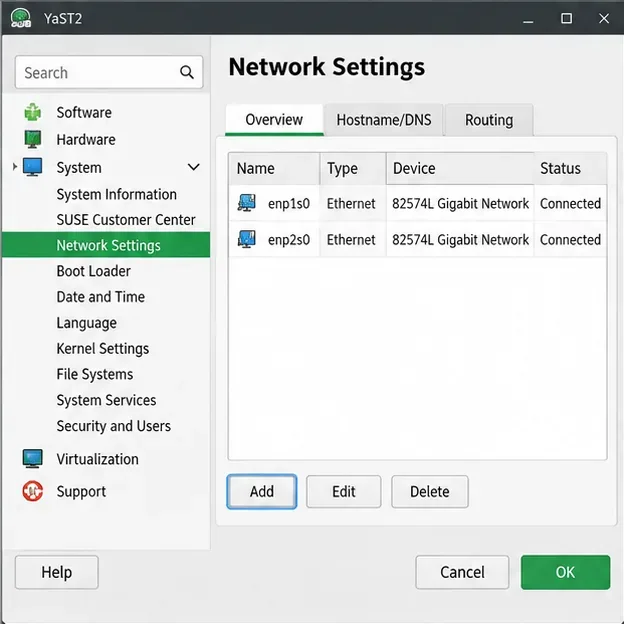
在 SLES 15 上啟用 FIPS 模式並驗證啟動狀態

依照 SUSE 的 SP7 程式啟用 FIPS 模式,安全重啟,驗證活動策略,並檢查您的合規性要求是否需要經過驗證的模組。
社群媒體演算法確實會改變,但大多數團隊花在應對謠言上的時間,遠比應對平台已正式記錄的變更要多得多。真正的挑戰不在於“戰勝演算法”,而是區分哪些資訊是經過驗證的,哪些資訊只是暫時的,衡量這些變更對自身受眾的影響,並避免將短暫的流量波動演變成全公司範圍的內容重置。
本文反映了截至 2026 年 9 月 14 日可取得的公開平台文件。文章重點介紹 Instagram、Facebook、TikTok、YouTube、LinkedIn 和 X。由於推薦系統是個人化的、持續測試的,並且通常在不同平台上有所不同,因此沒有任何公開來源能夠提供每個帳戶的確切排名權重清單。
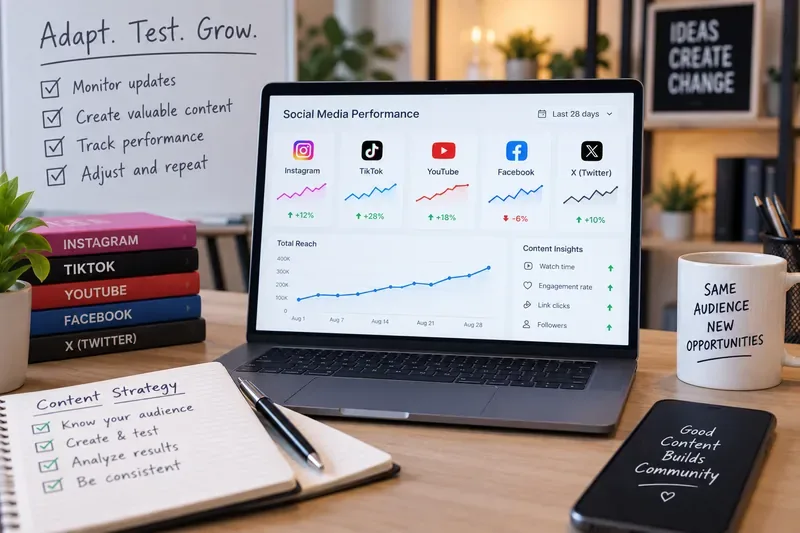
解釋演算法更新的最有效方法是給每個聲明賦予以下三個標籤之一。
| 地位 | 它的意義 | 該怎麼辦 |
|---|---|---|
| 確認的 | 平台已在官方管道公佈了變更、排名原則、資格規則或產品行為。 | 在規定範圍內進行調整,並記錄來源和日期。 |
| 上下文相關 | 平台確認了訊號或原則,但其重要性因使用者、表面、格式、主題、位置或競爭內容而異。 | 針對您自己的受眾進行測試,並按格式和發現平台細分結果。 |
| 未知 | 該平台尚未公佈確切的權重、閾值、實驗設計或帳戶層級的影響。 | 不要把推測當作規則。把它當作假設來檢驗。 |
行動:在改變你的發布策略之前,請先寫下你要回應的觀點,並將其歸類為以下三個類別之一。如果你無法找到所謂普遍規則的官方來源,則應將其歸類為「未知」。
已確認的是:各大平台在不同頁面上使用不同的推薦系統或排名機制。例如,YouTube 表示,首頁、「下一個播放」、短影片和其他頁面會採用不同的個人化方式,不同的功能依賴不同的訊號。 TikTok 也同樣針對「為你推薦」、「關注」、「直播」和其他區域提供不同的個人化體驗。 X 則表示,其推薦服務涵蓋「為你推薦」、「搜尋」、「探索」和「通知」等多個頁面。
這意味著,一種內容形式在一種發現環境中表現良好,而在另一種環境中表現平平,兩者之間並不存在矛盾。例如,一個在 YouTube 搜尋中表現出色的視頻,並不一定也會在首頁推薦中表現優異。一個在“為你推薦”中表現出色的 TikTok 視頻,也未必能反映出同一創作者在“關注”頁面中的表現。 「演算法改變了」這種說法通常過於籠統,難以準確解釋問題。
行動:首先按表面分析效果。在分析數據時,將推薦流量、粉絲/訂閱者流量、搜尋流量、個人資料訪問量和其他可用來源的流量分開,然後再得出結論。
Meta已確認:自 2025 年 12 月 16 日起,用戶與 Meta AI 的互動將成為其應用程式個人化內容和廣告推薦的另一個訊號。 Meta 也在 2026 年 1 月發布報告稱,2025 年第四季度,美國 Instagram 推薦內容中有 75% 來自原創帖子,該季度原創內容在推薦內容中的佔比提升了 10 個百分點。這些數據僅代表平台層面,並不保證每個原創貼文都能獲得更多曝光。
Instagram 也於 2025 年全面推出了試用版 Reels,讓創作者先向非粉絲測試 Reels 短片。 Meta 明確指出,這是一種實驗和學習的方式,而非對特定結果的承諾。
視具體情況而定:「原創」並不意味著每個帳號都應該放棄混音、評論、潮流或合作。實際問題在於內容是否具有真正的創意價值,是否值得推薦,而非內容是否獨立創作。
行動:將非粉絲覆蓋範圍與粉絲覆蓋範圍分開跟踪,在有試用版 Reels 等測試工具時使用它們,並優先考慮能夠提供獨特觀點的內容,而不是依賴幾乎重複的轉發內容。
已確認: 2026年3月,Meta發布了更清晰的Facebook指南,指出原創內容可以獲得更高的曝光率和更多變現機會,而非原創內容在資訊流和Reels中的優先級可能會降低。 Meta明確指出,簡單地重新上傳他人的貼文、進行低價值的編輯、將片段拼接在一起而沒有增加實質性的新價值,或者對已經可見的內容進行解說,都可能被視為非原創內容。而實質的分析、全新的訊息或有意義的創意改編仍然可以被視為原創內容。
具體情況具體分析:這並不意味著所有重複使用的素材都會被自動封鎖。版權、原創性、改編、推薦資格以及受眾回饋等因素都可能影響審核結果。平台發布的案例比任何一刀切的「禁止重複使用內容」規則都更清晰明了。
行動:如果您使用第三方素材,請確保您的貢獻具有鮮明的原創性。請添加原創報導、演示、分析、評論、故事敘述或改編,而不是進行表面修改。
已確認: TikTok 目前的官方支援文件指出,「為你推薦」的內容會受到用戶互動、內容資訊和用戶資訊的影響。 TikTok 表示,對大多數用戶而言,用戶互動(包括觀看時間)的權重通常高於其他類別。該公司還透過「管理話題」、「不感興趣」和關鍵字控制等工具,讓用戶能夠更好地控制推薦內容。
具體情況具體分析:高觀看完成率、長觀看時長、評論或分享量都是有用的信號,但TikTok並未公佈將這些指標轉化為覆蓋範圍的通用公式。話題契合度和用戶的觀看歷史仍然會影響推薦內容。
行動:與其追求單一的互動指標,不如專注於優化內容,確保觀眾獲得清晰的觀看體驗並保持持續的專注。分析觀眾流失點、哪些話題能吸引重複觀看,以及內容是否觸達了目標受眾——而不僅僅是點讚數。
已確認: YouTube 目前的推薦文件將影片效果分為三個等級:吸引力、互動度和滿意度。文件也指出,推薦訊號會因內容和平台而異。其幫助文件明確指出,嘗試 Shorts、長視頻、直播或帖子並不會“擾亂演算法”,而且一個表現不佳的視頻也不會自動懲罰整個頻道。
YouTube還會列出影響影片覆蓋範圍的外部因素,包括話題熱度、競爭程度以及觀眾行為的季節性變化。因此,即使你的影片品質沒有突然下降,觀看量也可能減少。
行動:依影片和流量來源評估表現。首先分析影片包裝和吸引力,然後是用戶留存率和參與度,最後是用戶滿意度。不要將每次上傳效果不佳的影片都解讀為頻道已被永久降級的證據。
已確認: LinkedIn於2026年3月12日宣布,將推出一套由大型語言模型和GPU驅動的全新資訊流排名系統,以更好地了解貼文內容及其與用戶不斷變化的職業興趣和職業目標之間的關聯。 LinkedIn也表示,將減少通用、重複和誘導互動的內容,並打擊自動評論和不真實的互動。
LinkedIn的說明文件指出,其資訊流會使用數百個訊號,這些訊號涉及貼文內容、會員個人資料、人脈網路和活動。該平台並未提供公開的固定評分卡,告知內容創作者一則評論、一次停留事件或一次人脈連線究竟值多少分。
行動:讓貼文更具體、更有用、更貼近專業領域。用真正的見解、例子、框架或觀點取代「同意嗎?」之類的通用提示,讓目標專業受眾有理由關注。
已確認: 2026 年透過 xAI 組織發布的與 X 相關的開源推薦代碼描述了一個「為你推薦」系統,該系統結合了網絡內和網絡外的內容,並使用基於 Transformer 的模型對候選內容進行排名。 X 的官方搜尋說明文件單獨描述了基於互動度、健康狀況和相關性訊號的排名機制。
未知:公開的程式碼和文件並不意味著每個生產實驗、即時模型權重或特定表面閾值都一成不變。應將架構視為系統設計方式的證據,而不是最大化分佈的永久公式。
行動:利用公開文件了解訊號類別,然後根據您自己的展示次數、回覆次數、點擊次數、個人資料活動和後續結果進行驗證,而不是根據傳聞中的數值權重進行最佳化。
可以確定的是:在所有主流推薦平台上,用戶互動行為都至關重要,但各平台對「有用行為」的定義各不相同,並且會將其與個性化、內容理解、安全性或資格以及用戶滿意度等因素結合起來。 TikTok 強調用戶互動和觀看行為。 YouTube 將吸引力、互動和滿意度分開考慮。 LinkedIn 表示會考慮數百個訊號。 X 的公開資料描述了多個排名階段和訊號類別。
尚未確定的是:目前沒有可靠的跨平台規則,例如「分享次數等於五個讚」或「評論次數永遠比觀看時長更重要」。具體的權重可能會變化,可能因平台而異,並且可能受到未公開的模型層面交互作用的影響。
行動:將指標與目標相符。如果目標是提升使用者發現率,則應盡可能查看非追蹤者或非訂閱者的覆蓋範圍。如果目標是提升影片質量,則應查看用戶留存率和觀看行為。如果目標是提升業務影響力,則應衡量有效點擊量、潛在客戶數量、註冊量或銷售額,而不是孤立地專注於互動量。
可以確定的是:個人化推薦系統通常會將內容推送給現有粉絲以外的用戶。 TikTok 長期以來一直聲明,粉絲數量並非「為你推薦」排名的直接影響因素,儘管粉絲較多的帳號仍然可能受益於更多用戶看到其貼文。 Instagram 的試用版 Reels 功能專門用於測試非粉絲用戶對內容的接受度。 YouTube 的推薦系統也基於影片與特定觀眾的匹配,而不是簡單地將所有上傳的影片推送給所有訂閱者。
視具體情況而定:忠實粉絲群仍然很有價值,因為它可以帶來重複觀看、社群互動、直接流量,以及更牢固的第一方受眾關係。迷思在於認為粉絲數就能保證曝光量。
行動:同時報告受眾規模和活躍受眾行為。追蹤回訪用戶、非粉絲覆蓋人數、獨立訪客數、訂閱用戶流量和轉換指標,而不是僅以粉絲數量作為主要健康指標。
可以確定的是: Meta 平台更明確地強調優先考慮原創內容並減少低價值重複內容,尤其是在 Facebook 上。 Instagram 也提高了推薦內容中原創貼文的比例。其他平台也有各自的內容審核、垃圾資訊過濾和品質控制系統。
這取決於具體情況:在不同平台上重複使用自己的創意並不等同於竊取或機械地轉發他人的作品。一個核心概念完全可以被重新利用。但要注意的是,每個平台都有不同的觀看環境、受眾期望、介面、字幕行為、發現機制和原生格式。
行動:保留原有創意,不必完全複製原文件。根據目標平台調整開頭、節奏、文字密度、標題、構圖和行動號召。在保留原有價值的基礎上,調整呈現方式。
可以確定的是: YouTube明確表示,嘗試不同的影片形式並不會必然導致其推薦系統出現混亂。 Instagram專門開發了Trial Reels功能,旨在讓用戶更容易嘗試新想法。這些都是平台鼓勵進行可控測試而非一成不變的典型例子。
平台特有的因素依然存在:你不能直接將 YouTube 的聲明套用到其他所有平台上。一種新的影片形式仍然可能表現不佳,原因可能是觀眾不感興趣、主題不夠吸引人、呈現方式不夠新穎,或執行得不好。這是觀眾的反應,不一定是演算法懲罰的結果。
行動:將新格式作為一項明確的實驗來測試。比較一組帖子而不是單一帖子,保持主題或受眾群體基本不變,並預先確定衡量成功的指標。
可以確定的是:覆蓋範圍會因推薦資格、話題熱度、競爭、季節性、受眾行為、資訊流個性化、格式以及其他內容的相對強度而改變。 YouTube 明確指出話題熱度和競爭是影響推薦結果的外部因素。 Meta 和 TikTok 也公佈了建議資格和個人化設置,這些設置會影響推薦內容的顯示。
未知因素:如果沒有帳戶通知、政策訊號、資格狀態或可重複的證據,僅憑覆蓋範圍下降並不能證明有隱藏的處罰。單憑一張圖表無法揭示原因。
操作:查看平台提供的帳戶狀態或推薦資格資訊。然後將幾篇貼文與你的正常基準進行比較,按格式和流量來源進行細分,並檢查主題本身的需求是否下降,才能確定是否與平台監管有關。
當平台宣布排名變動時,不要急於重建整個內容日曆。更穩健的因應方法是問自己四個問題。
這種方法比追逐熱門建議要慢,但它可以產生你可以在下次更新到來時重新利用的知識。
即使平台提高了透明度,但僅憑公開文件仍然難以或不可能了解以下幾件事:您帳戶的確切實時排名權重、每次 A/B 測試的範圍、模型更新到達每個國家/地區的速度、學習模型中一個信號如何與另一個信號相互作用,以及在您發布新格式之前,您的特定受眾將如何對此做出反應。
這種不確定性並非忽略演算法變更的理由,而是需要我們對資訊來源的實際證明內容進行精確解讀的原因。
行動:維護一個簡單的變更日誌,包含四個欄位:正式更新、假設、測試、結果。隨著時間的推移,該日誌會比一堆「演算法破解」文章更有價值,因為它反映了你的受眾、內容庫和業務目標。
目前平台文件的共同主題是「個人化」。系統試圖預測使用者可能認為哪些內容相關、令人滿意、有用、及時或值得參與。這種預測背後的技術日趨複雜——尤其是在大型語言模型和基於Transformer的排名系統日益普及的情況下——但對開發者而言,實際應用卻出乎意料地穩定。
創造出目標受眾明確選擇、持續消費並認為值得花時間的內容。使其足夠原創,值得發行。根據平台調整包裝。衡量實際觸達受眾的管道。然後再次測試。
演算法會不斷變化。只有建立一套嚴謹的流程,將已確認的事實與背景資訊和未知因素區分開來,才能避免這些變化左右你的策略。
依照 SUSE 的 SP7 程式啟用 FIPS 模式,安全重啟,驗證活動策略,並檢查您的合規性要求是否需要經過驗證的模組。
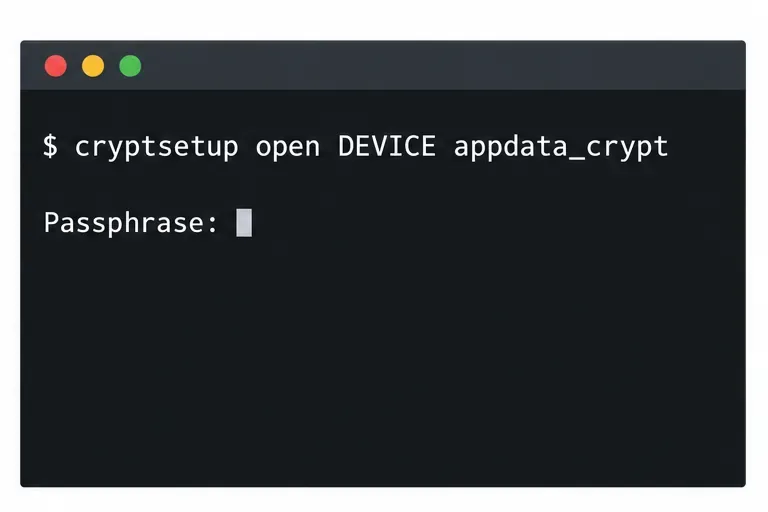
比較 YaST 和 cryptsetup 以建立新的加密 SLES 資料卷,選擇 LUKS1 或 LUKS2,並安全地驗證解鎖和掛載行為。
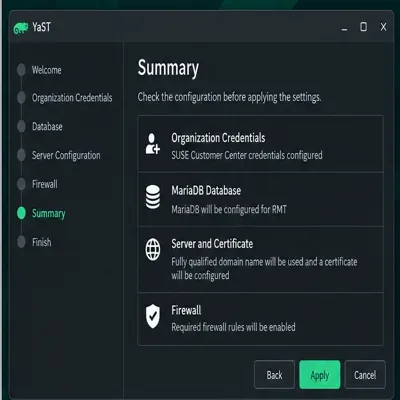
在 SLES 15 上設定 RMT,鏡像授權儲存庫,並從測試用戶端驗證 HTTPS 註冊和軟體包存取。
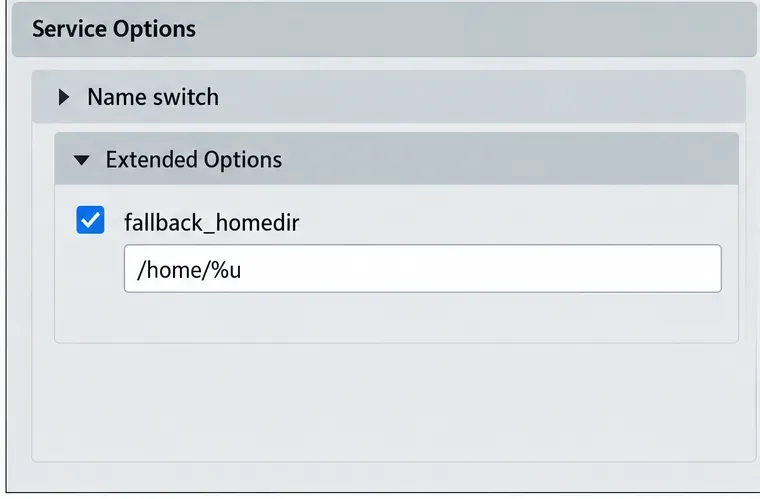
使用 YaST 的基於 SSSD 的登入管理將 SLES 15 連接到 AD,然後驗證目錄查找、網域登入和 Kerberos 票證。
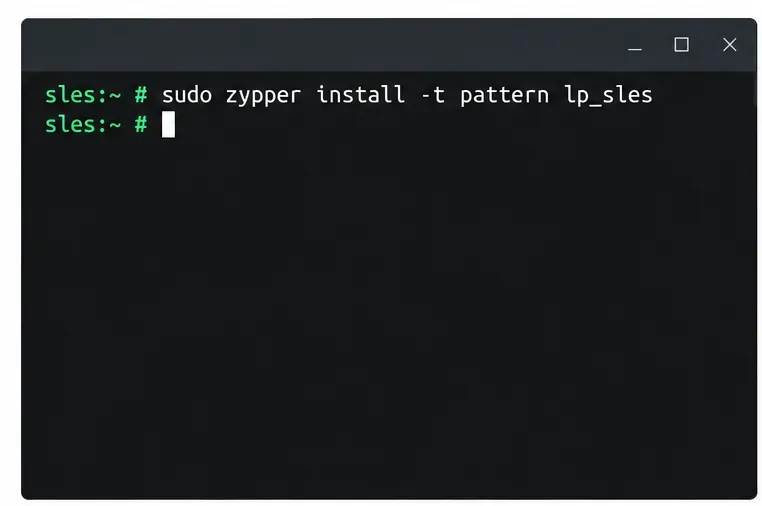
為 SLES 16.0 或 15 SP7 設定正確的即時修補路徑,套用符合條件的核心修復程序,並確認哪些修復程序處於活動狀態,而不會將其與需要重新啟動的核心更新混淆。
SLES 15 SP5 可以在線上遷移到 SP6,但每個節點都必須重新啟動。請使用經過測試的滾動升級或藍綠切換方案,以確保工作負載的可存取性。
在 SLES 15 SP7 上建立、完善和驗證最小權限 AppArmor 設定文件,並明確說明 SLES 16 的 SELinux 預設設定。
使用 SUSE 支援的 STIG 設定檔掃描 SLES 15,測試修復,查看剩餘結果,並保留評估證據。
使用 SUSE 最新指南,透過 DNS、連接埠 9090、systemd 套接字、firewalld、TLS 和登入設定來追蹤失敗的 Cockpit 連線。
在 SLES 15 上使用 YaST 和 Wicked 建立冗餘乙太網路連接,配置主備綁定,並驗證兩個連接埠和故障轉移。