在 SLES 15 上啟用 FIPS 模式並驗證啟動狀態

依照 SUSE 的 SP7 程式啟用 FIPS 模式,安全重啟,驗證活動策略,並檢查您的合規性要求是否需要經過驗證的模組。
一個常見的創作者行銷難題是這樣的:品牌付費請網紅發布精心製作的內容,獲得了大量的瀏覽量,但隨後卻發現行銷活動難以產生有意義的產品諮詢、有效點擊或實際銷售。同時,一些規模較小的創作者和普通消費者發布的詳細演示、對比以及“我會再次購買嗎?”之類的評論,雖然瀏覽量可能不如前者,但卻能引發更多有價值的討論。
這種差距有助於解釋人們對關鍵意見消費者(通常簡稱KOC)日益增長的興趣。該術語在亞洲社交電商市場最為普及,但目前尚未成為全球標準化的營銷類別。實際上,KOC行銷指的是一種創作者策略,它將可信的產品用戶、垂直領域評論員和高度相關的消費者視為說服夥伴,而不是簡單地購買盡可能多的受眾。
截至2026年9月,這種轉變更應理解為內容創作者所構成的變化,而非網紅行銷的消亡。大網紅在提升品牌知名度、產品發布、娛樂推廣和文化傳播方面仍發揮著重要作用。當商業問題在於消費者在考慮階段的信任度時,關鍵意見領袖(KOC)則更為有用:“這真的適合像我這樣的人嗎?”

觸達和說服是兩碼事。創作者可能非常擅長吸引眼球,但卻可能不適合特定的產品、價位或買家提出的問題。受眾群體越大,往往越分散。這可能導致貼文獲得很高的曝光率,但卻未必與最有可能購買的人高度相關。
KOC式內容從相反的角度解決問題。它不問“誰能讓最多的人看到這款產品?”,而是問“誰的經驗能幫助合適的買家減少猶豫?”一位小眾護膚用戶,如果能解釋產品質地、是否適合日常護膚、是否會引起刺激,以及哪些人應該避免使用某款產品,可能比一位名人生活方式博主簡單地提及某款生活方式更有價值,更能幫助消費者做出決定。
研究仍在進行中,因此行銷人員應避免將KOC(關鍵意見領袖)標籤奉為靈丹妙藥。 2025年發表於《國際互聯網行銷與廣告雜誌》的一項研究調查了越南350名年輕消費者,並將KOC的專業知識、可信度、使用習慣相似性、信息源動態性和認知投入等特徵與在線客戶參與度聯繫起來。產品與KOC的契合度也至關重要。該研究為KOC效應機制提供了有用的證據,但並不能證明每個小型內容創作者都能在所有類別中超越大型內容創作者。請參閱Inderscience於2025年發表的KOC研究原文。
關鍵意見領袖(KOC)最好被理解為以消費者為先的意見來源。其說服力主要來自於產品體驗、相關性、與受眾的相似性以及實際可信度。粉絲數量可能不多或適中,但並沒有一個統一的粉絲門檻來界定某人是否屬於KOC。
| 方面 | 傳統影響者/KOL 重點 | 科奧集團重點 |
|---|---|---|
| 主要資產 | 影響力、個性、文化可見性 | 親和力、產品體驗、細分市場信譽 |
| 典型內容 | 以勵志、娛樂為主導、以活動為導向 | 評測、簡報、比較、問題解決、用例 |
| 最佳匹配 | 提高知名度、產品發布、廣泛關注 | 考慮、產品發現、轉化支持 |
| 賠償 | 通常協商固定費用 | 樣品費、固定費用、聯盟佣金、收益分成或以上幾種方式的組合 |
| 有用的指標 | 涵蓋人數、曝光量、影片觀看次數、品牌提升 | 有效點擊、保存、評論、轉換率、訂單、每次轉換費用、收入 |
| 主要風險 | 成本過高或產品與目標受眾契合度差。 | 隱藏的利益驅動、薄弱的品質控制、虛假的「有機」評論 |
這些類別之間可能存在重疊。一位成功的關鍵意見領袖(KOC)可以成為一位大型內容創作者,而一位大型網紅也可以創作出極具公信力的產品評測內容。真正有意義的區分並非名氣與默默無聞,而是內容所傳遞的信任度以及其預期用途。
社群平台正日益將曾經令小型創作者計畫舉步維艱的營運工作產品化。品牌不再需要透過電子表格、電子郵件和手動編寫優惠券代碼來管理與每位創作者的關係。
TikTok 於 2026 年 5 月發布的官方 TikTok One 更新將 Creator Marketplace 描述為用於發現創作者、開展合作、擴展廣告系列工作流程和統一報告的系統。它還推出了 Creator AI Search,幫助廣告主根據廣告活動契合度和過往合作記錄找到合適的創作者。這並不意味著 TikTok 正式將這些創作者定義為 KOC(關鍵內容創作者),但該基礎設施使得分散式、垂直領域的創作者模式更容易運作。請參閱TikTok 於 2026 年 5 月發布的 TikTok One 公告。
YouTube 也朝著類似的電商發展。其購物聯盟計劃允許符合條件的創作者為產品添加標籤並賺取佣金,而商家則可以追蹤點擊量、訂單量、銷售額和佣金率等指標。該計劃已在包括美國和越南在內的多個市場推出。請參閱YouTube 官方購物聯盟計畫概述和Google Merchant Center 的計畫文件。
這種結構性轉變至關重要:創作者行銷現在可以更像一個可衡量的投資組合。品牌可以測試眾多相關的創作者,追蹤交易數據,保留效果好的創作者,並停止在效果不佳的創作者身上投入資金。這才是KOC策略最有效的營運環境。
價格固然是吸引力的一部分,但將KOC(關鍵意見領袖)視為折扣商品就忽略了重點。一個擁有8000粉絲、從未涉足該領域且發布千篇一律的贊助影片的創作者,並不一定能成為一位優秀的KOC。相反,如果一位擁有更多受眾的創作者,其權威性源於反覆的產品實踐經驗以及高度精準的社群,那麼他/她完全可以發揮KOC的作用。
正確的做法是:根據契合度對創作者進行排名。檢視創作者在產品類別中的深度、有用的評論、產品的重複使用情況、對優缺點的明確闡述、受眾相似性,以及解釋產品適合哪些使用者(以及不適合哪些使用者)的能力。
真實性是一種由一致的行為所建立的認知,而非粉絲數所決定的。小號可以複製腳本、誇大結果、隱藏贊助,或推薦他們幾乎沒測試過的產品。而大號創作者則可以做到透明嚴謹。
應該怎麼做呢?查看創作者最近 20 到 30 則相關的貼文。他們是否討論了產品的限制?他們是否回答了質疑的問題?每款產品都「很棒」嗎?還是他們會區分哪些產品適合,哪些不適合?持續更新的內容比一篇爆款貼文更有價值。
這是最危險的誤解之一。在美國,聯邦貿易委員會(FTC)表示,代言人與品牌之間的實質聯繫必須清楚醒目地揭露。實質聯繫可能包括報酬、免費產品、折扣、就業機會或其他利益。 FTC也指出,揭露資訊應醒目易見,並與代言內容一同發布。請參閱FTC針對社群媒體代言人的揭露指南。
美國聯邦貿易委員會(FTC)的《消費者評論和證詞規則》於2024年10月21日生效。該規則旨在打擊虛假評論,並禁止以評論表達特定正面或負面情緒為條件提供報酬或獎勵。品牌可以向創作者支付報酬,但不應將「真實評論」變成「說好話,否則不給錢」。請參閱FTC官方規則問答。
平台規則也很重要。 YouTube 要求創作者在 Studio 中識別品牌內容和付費推廣,並且 YouTube 於 2026 年 9 月宣布更新付費合作揭露控制措施。請參閱YouTube 品牌內容政策。
最穩健的方法是循序漸進的:從現有的證據入手,然後只有在經濟效益允許的情況下才增加操作的複雜性。
這是最簡單的做法,因為你無需猜測誰可能對產品感興趣。搜尋帶有標籤的貼文、評論、支援社群、聯盟行銷數據以及客戶提交的內容,找到那些已經展現出產品知識的人。
篩選候選名單時,應基於他們實際的發言內容,而不僅僅是受眾規模。一份有效的初步評估清單可以包括:類別相關性、產品體驗、受眾契合度、內容清晰度、評論品質、資訊揭露行為以及一致性。
當所有參與者都重複相同的品牌語言時,KOC(關鍵意見領袖)行銷活動的可信度就會下降。與其編寫熱情洋溢的腳本,不如為內容創作者提供負責任地評估產品所需的資訊。
要求提供實際應用結構:背景、演示、優點、缺點、適用性和結論。不要要求必須得出肯定的結論。
不同的創作者會採用不同的經濟模式。產品推廣在產品確實受歡迎時可能有效,但免費產品仍然是一種實質的聯繫,可能需要揭露。固定費用是創作投入的補償。聯盟佣金將收益與銷售額掛鉤。混合模式結合了固定的創作費用和績效提成。
權衡的關鍵在於控制權與規模。固定費用可確保交付成果,但會增加前期成本。純粹的聯盟行銷計劃可以降低固定成本,但可能會吸引那些更注重高轉換率產品而非品牌契合度的創作者。混合模式通常能提供一個有效的折衷方案。
如果推廣目標是提高用戶考慮度或促進銷售,那麼僅憑瀏覽量不足以做出全面評估。應使用可追蹤連結、平台聯盟行銷報告、在適當情況下使用唯一程式碼以及落地頁分析。比較不同創作者時,應採用標準化的業務指標,例如轉換率、獲客成本、每位創作者的收入以及內容輔助銷售。
也要檢查定性訊號。觀眾是否提出了具體的產品問題?他們是否保存了帖子以便稍後查看?評論是關於使用場景、尺寸、相容性、成分、耐用性還是價格,而不僅僅是創作者的外觀?這些信號表明內容正在幫助人們做出決定。
一旦有了成功的創作者,不要立即更換。可複製性是優勢的一部分。與那些受眾持續活躍的創作者建立更長期的合作關係。必要時協商使用權,測試付費推廣,並讓成功的創作者提前體驗新版本或新發佈內容。
Meta 的創作者市場和合作廣告體現了整個行業向這種混合模式的轉變:發現創作者,開展自然合作,然後透過付費媒體推廣優質創作者內容。請參閱Meta 的官方創作者市場概覽。
最難的不是招募100位創作者,而是擁有100位創作者後如何維護信任。要製定資訊揭露、禁止聲明、證據要求、內容版權、審批權限、反詐欺和品牌安全等方面的規則。
不要過度追求轉換率,以至於所有創作者聽起來都像同一個廣告。 KOC模式只有在維持消費者視角可信的情況下才能奏效。
關鍵意見領袖(KOC)並非適用於所有目標。如果主要目的是製造文化熱點、推廣新產品類別、快速觸及廣大受眾或借助知名人士的影響力,則應選擇影響力較大的網紅、名人或意見領袖。而如果主要目的是解答購買疑問、提供大量使用案例、支援社交電商或持續輸出產品相關內容,則應選擇KOC。
許多優秀的節目都會同時運用這兩種方法。大型內容創作者可以創造需求;而關鍵意見領袖(KOC)網絡則有助於將不確定性轉化為信心。
在擴大規模之前,先對照你最初設定的目標進行自我檢查。不要因為某個創作者爆紅就宣布成功。
如果答案大多是肯定的,那就循序漸進地擴展。如果涵蓋範圍廣但轉換率低,在增加更多創作者之前,請重新評估產品與創作者的契合度。如果轉換率高但營運混亂,在擴展規模之前,請投資創作者管理流程。如果內容只有在創作者被明確告知該說什麼時才有效,那麼你可能建立的只是分散式廣告,而不是真正的KOC(關鍵內容創作者)專案。
理解KOC(關鍵意見領袖)最有效的方式並非“小網紅更好”,而是現代內容創作者行銷越來越注重消費者購買歷程。品牌可以招募垂直領域的創作者,追蹤銷售情況,比較效果,並推廣已被驗證有效的優質內容。這使得產品相關性和消費者認可度比以往內容創作者行銷主要以觸達用戶為導向時更具經濟價值。
KOC(關鍵意見領袖)不會取代網紅,而且「網紅」這個詞本身也可能改變。但真正經得起時間考驗的道理很簡單:當購買行為需要信任時,能夠以可信的方式向目標受眾解釋產品的人,可能比能夠將產品展示給最多受眾的人更有價值。
依照 SUSE 的 SP7 程式啟用 FIPS 模式,安全重啟,驗證活動策略,並檢查您的合規性要求是否需要經過驗證的模組。
比較 YaST 和 cryptsetup 以建立新的加密 SLES 資料卷,選擇 LUKS1 或 LUKS2,並安全地驗證解鎖和掛載行為。
在 SLES 15 上設定 RMT,鏡像授權儲存庫,並從測試用戶端驗證 HTTPS 註冊和軟體包存取。
使用 YaST 的基於 SSSD 的登入管理將 SLES 15 連接到 AD,然後驗證目錄查找、網域登入和 Kerberos 票證。
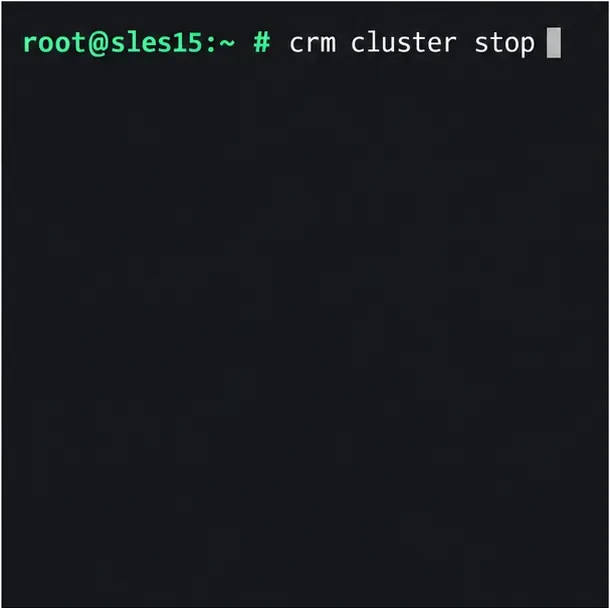
為 SLES 16.0 或 15 SP7 設定正確的即時修補路徑,套用符合條件的核心修復程序,並確認哪些修復程序處於活動狀態,而不會將其與需要重新啟動的核心更新混淆。
SLES 15 SP5 可以在線上遷移到 SP6,但每個節點都必須重新啟動。請使用經過測試的滾動升級或藍綠切換方案,以確保工作負載的可存取性。
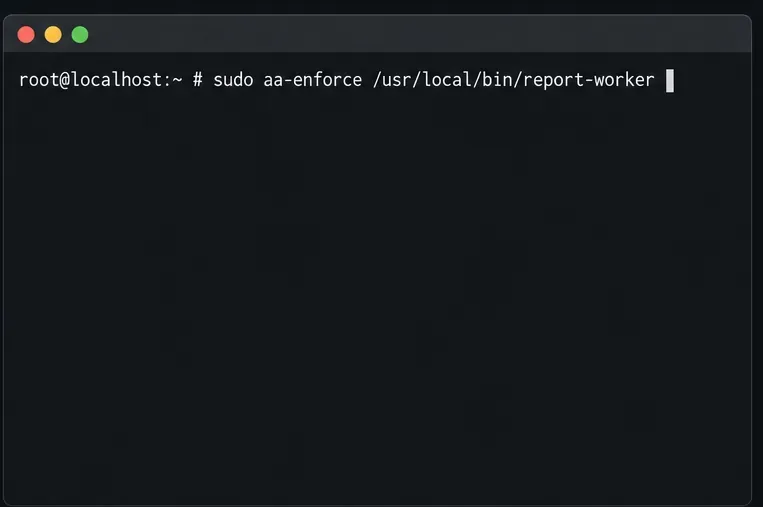
在 SLES 15 SP7 上建立、完善和驗證最小權限 AppArmor 設定文件,並明確說明 SLES 16 的 SELinux 預設設定。
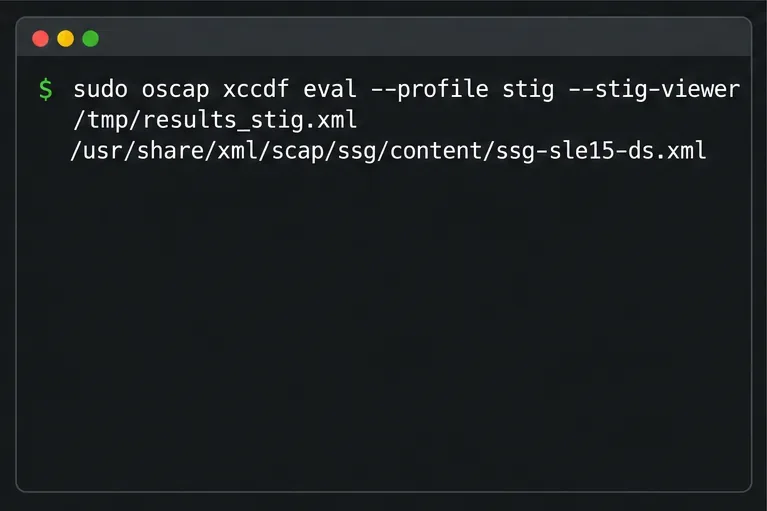
使用 SUSE 支援的 STIG 設定檔掃描 SLES 15,測試修復,查看剩餘結果,並保留評估證據。
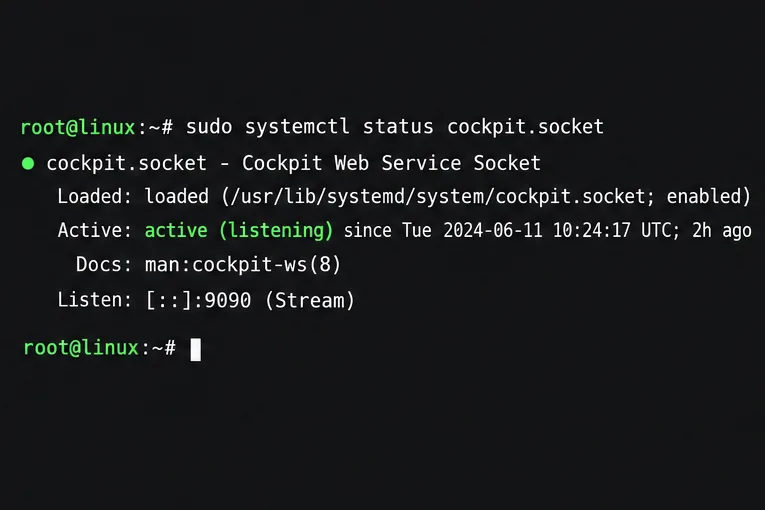
使用 SUSE 最新指南,透過 DNS、連接埠 9090、systemd 套接字、firewalld、TLS 和登入設定來追蹤失敗的 Cockpit 連線。
在 SLES 15 上使用 YaST 和 Wicked 建立冗餘乙太網路連接,配置主備綁定,並驗證兩個連接埠和故障轉移。